
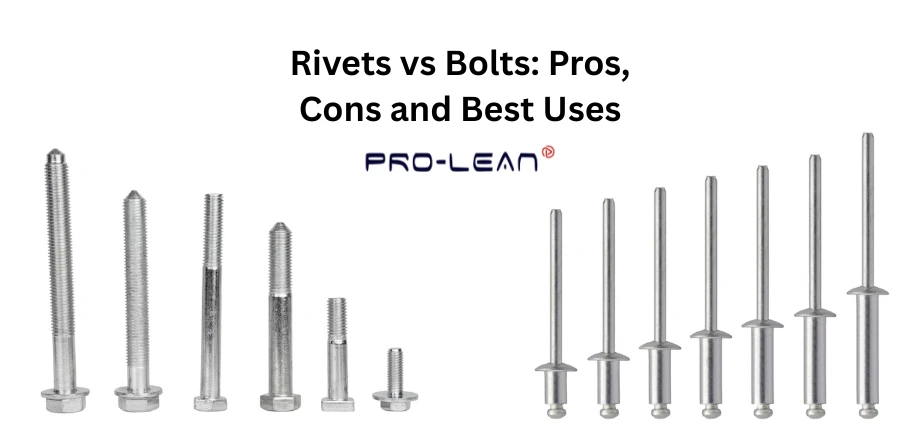
Rivets vs Bolts Comparison
Rivets vs bolts form permanent joints through deformation, which work best for applications that experience shear loading and vibration or use thin sheet metal rivets. Bolts form threaded connections, which allow users to set preload levels during assembly, and they work best for tensile applications and heavy-duty connections that require disassembly or maintenance.
The decision between rivets and bolts relies on understanding their differences in terms of strength and installation. Both form strong joints, but rivets are a permanent single-sided fastener while bolts require access on both sides. In this guide, we’ll delve into the comparison of both fasteners and help you decide the right one for your needs for industries like aerospace, automotive or consumer parts.
What Are Rivets?
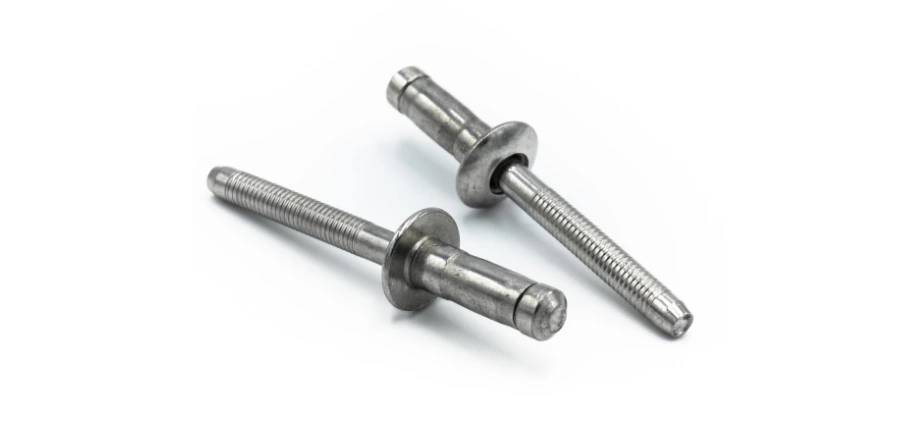
Blind Rivets Unset
In sheet metal fabrication, a rivet functions as an unthreaded smooth-shank metal fastener that includes a head at one end, while its tail undergoes deformation to create a second head that permanently joins two parts. This is what are rivets used for. The connection becomes permanent after installation because the rivet cannot be disassembled without causing damage to either the rivet or the surrounding material.
Key Features of Rivets:
- The smooth shank of this threadless fastener is deformed to create a second head that locks the joint, eliminating the need for additional fastening elements such as nuts or washers.
- Rivets create highly tamper-resistant, vibration-proof joints after assembly because, once deformed, they require no retightening.
- Rivets show excellent shear strength because they effectively resist lateral forces, which makes them suitable for applications that require shear resistance.
- The design works best for thin materials and soft materials, and composite materials because traditional sheet metal bolt threads tend to damage these materials, making riveting in sheet metal a superior choice.
- The installation process for blind rivets enables single-sided operation because the back side remains out of reach.
- The design eliminates nuts and washers, which reduces the number of parts needed for assembly and storage management.
What Are Bolts?
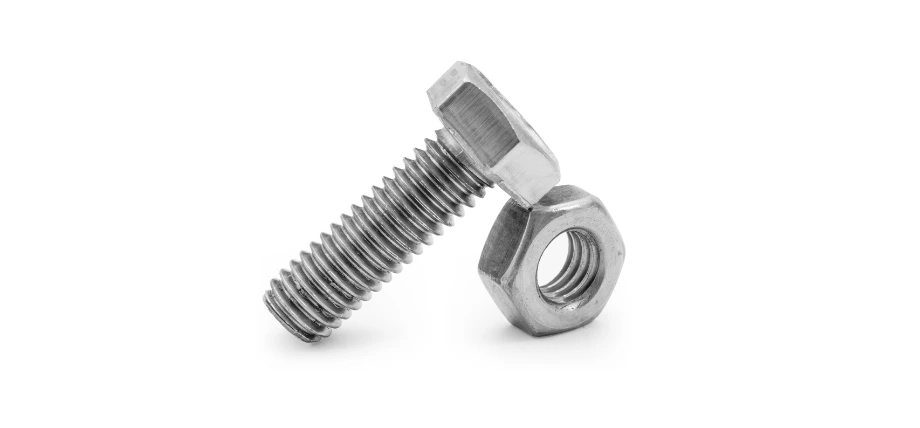
Hex Bolt and Nut
A bolt functions as a metal fastening device that includes a head section and a threaded shank that works with nuts or threaded holes to secure components together. The nut tightening process causes the bolt and screw to stretch, which produces preload that pushes parts together through friction or bearing pressure.
Key Features of Bolts:
- The threaded design allows precise control and adjustment of clamping force (preload) during initial assembly and, if necessary, later in service.
- Bolts are removable and reusable, allowing disassembly, repositioning, and reassembly multiple times without damage.
- Bolts exhibit high tensile strength, making them appropriate for applications that must withstand axial tension, often in combination with shear forces.
- The bolt system works with different material thicknesses and types, including thin plates and thick structural members, because users can select the appropriate sheet metal bolts or specify custom bolts.
- Users can install these components using standard wrenches and spanners because they do not require any specialized riveting equipment.
Rivets VS Bolts: Complete Comparison
Installation Process of Rivets vs Bolts
Rivet Installation
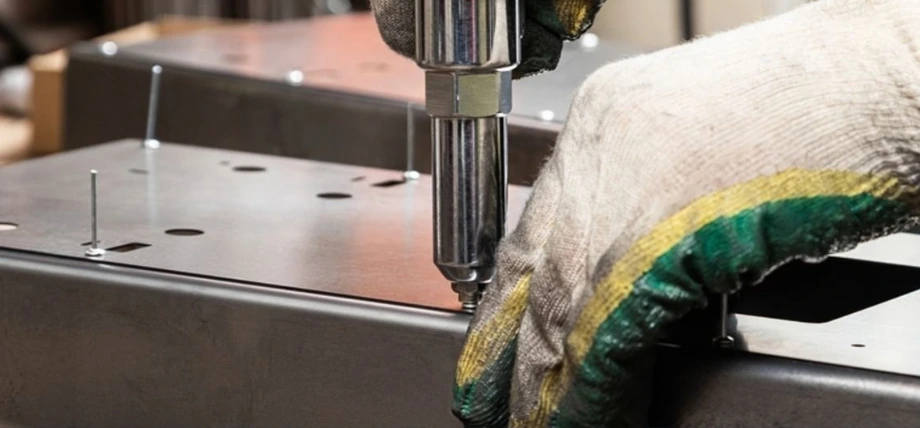
Setting Blind Rivet
- The parts need pre-drilled holes, which must be precisely aligned for assembly.
- The rivet process involves inserting the rivet while its tail section deforms to form a new head, which creates an irreversible connection.
- Solid rivet installation requires specialized equipment (rivet guns, hammers, bucking bars) and skilled operators, whereas blind/pop rivets need only a rivet gun.
Bolt Installation
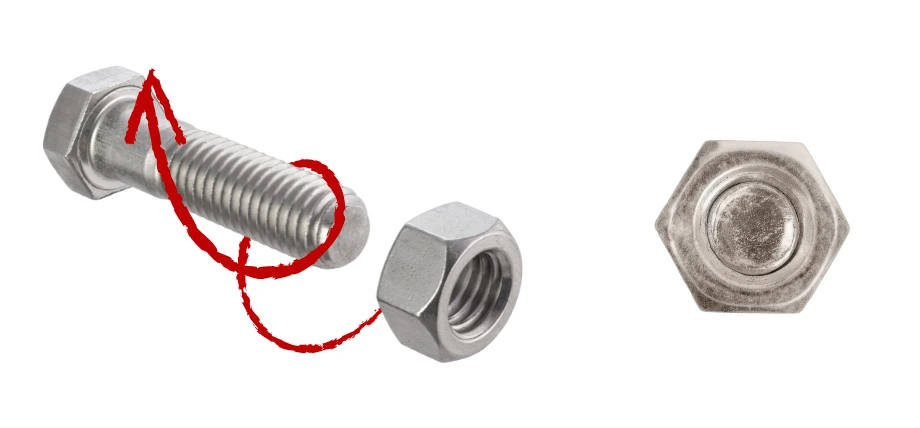
Bolt Torque Sequence
- The pre-drilled holes (or threaded holes) match the bolt size, so the bolt goes through them while the nut gets tightened or the bolt threads into place. The system allows users to add washers as an optional feature.
- The tightening process creates a clamping force that maintains part connection through friction or bearing surfaces.
- The assembly process becomes easier through standard tools, including wrenches and torque tools, because they enable quick installation without needing any special equipment.
Rivets VS Bolts: Which is Stronger?
Strength and Load Behavior
- The solid deformed shape of rivets combined with their mechanical fastener locking system produces high shear strength because these features effectively resist lateral forces, which makes them suitable for shear-dominated applications.
- Bolts demonstrate better performance in tensile strength and clamping ability when subjected to axial loads because their threaded design with a preloaded system provides superior joint stiffness and tension strength.
- Bolts function well in applications that experience multiple types of loading (shear and tension, and vibration) when properly designed with suitable materials and locking mechanisms, and washers.
- Rivets generally outperform bolts in thin sheets because bolt threads can damage or strip soft/thin material and create stress concentrations.
Maintenence Requirements
- Correctly installed riveted joints are permanent, highly vibration-resistant, and typically require no maintenance after installation.
- Removing rivets requires drilling or grinding, which usually damages the rivet and may damage the surrounding material; rivets cannot be reused.
- Bolted joints can lose preload under vibration and loosen over time unless locking devices (lock washers, prevailing-torque nuts, thread-locking compounds, etc.) are used, requiring periodic inspection and possible retightening.
- Bolts provide excellent functionality for machinery and serviceable equipment, and pressure systems because they allow for disassembly and inspection and maintenance, and part replacement.
Cost Comparison
- Rivets replace nuts and washers, which results in fewer parts and potentially lower expenses for materials and inventory storage.
- The fast installation process of rivets makes high-volume production of sheet-metal panels and enclosures more efficient because it decreases labor expenses for each joint.
- The process of installing rivets needs specialized equipment and trained personnel, which leads to higher expenses during setup and initial operations.
- Bolts remain affordable and easy to work with because they use common tools, and their low price point makes them suitable for applications that require frequent joint disassembly and reassembly.
- Bolts prove more cost-effective for long-term applications because they can be reused multiple times, and their replacement process is quick, which minimizes system downtime.
Applications of Rivets
Aerospace Structures
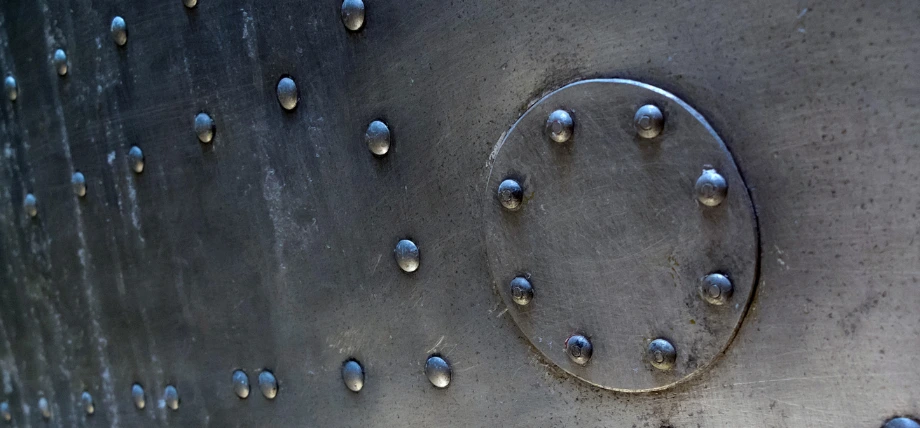
Flush Solid Rivets
The distribution of shear forces through multiple aerospace fasteners makes rivets suitable for aircraft fuselages and exterior panels, and aircraft panels. Rivets provide permanent, vibration-resistant connections in metal sheets, making sheet metal rivets the standard choice for aircraft exterior panels and airframe structures.
Types of Aircraft Fasteners
The most common types of aircraft fasteners include solid rivets, blind rivets, Hi-Lock and Huck-type lockbolts. Bolt and screw systems that follow AN, MS and NAS series are also common types of aircraft fasteners.
Aerospace fastener selection largely depends on the direct application of the fastener and the maintenance requirements. Many aerospace parts on the internal structure use special welding and Non-destructive X-ray testing to detect any leaks. In riveting vs welding, the choice depends on the structural load on the joint or sheet metal seams.
Automotive Body and Trim
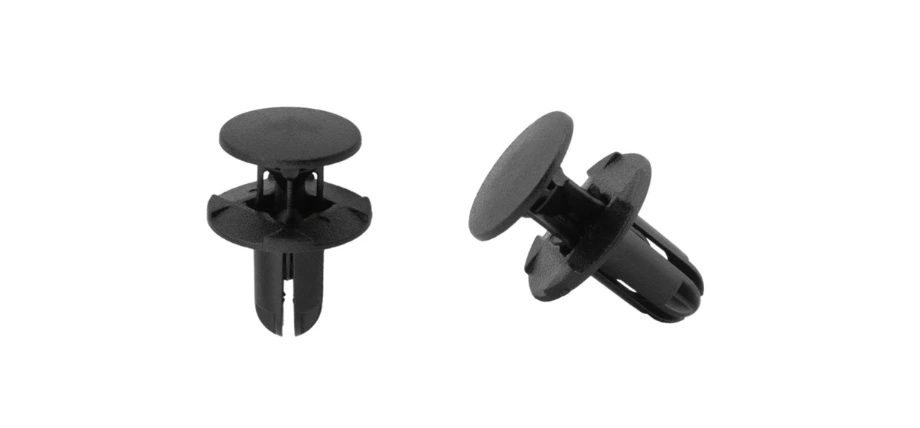
Plastic Push Rivets
Thin metal construction and permanent fastening requirements, and infrequent disassembly make rivets the preferred choice for car body panels and doors, and trim assemblies.
Construction and Infrastructure
Rivets serve as the primary fastening method for bridges and railcars, ship hulls, and metal frameworks because they create permanent shear-resistant joints in areas with restricted access and weight optimization requirements.
Electronics and Enclosures
The use of rivets, especially blind rivets, allows secure one-sided sheet metal assembly for metal enclosures, electrical boxes, HVAC panels, and thin sheet metal parts. They provide strong, vibration-resistant joints without the need for nuts and washers, making them a practical choice for many fabrication applications.
Try Prolean Now!
Applications of Bolts
Machinery and Serviceable Equipment
Engineers use bolts to detach industrial machines and tooling fixtures, and equipment housings for inspection and repair, and part replacement during the equipment’s operational period.
Structural Steelwork
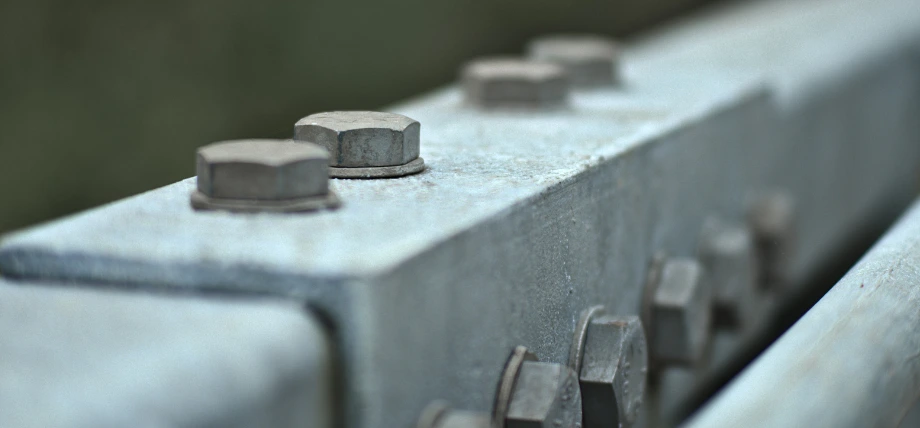
Weathered Structural Bolts
Bolts enable steel construction projects through their ability to adjust preload levels and deliver high tensile and shear strength, which makes them suitable for thick materials that rivets cannot handle.
Automotive Powertrain and Suspension
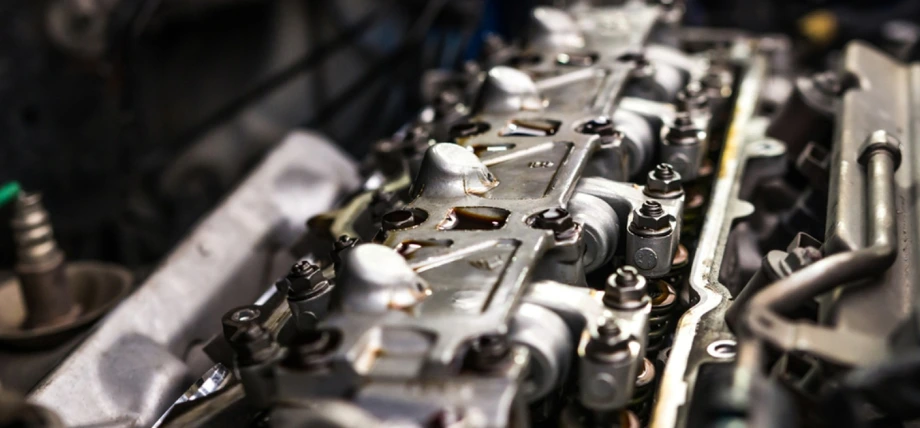
Engine Cylinder Head Bolts
The combination of dynamic loads and maintenance requirements and tensile forces in engine mounts and suspension components, and chassis assemblies makes bolts the preferred choice.
Heavy Industry and Pressure Systems
Bolts made from high-grade materials operate in pressure vessels and heavy machinery and structural joints that handle both static and dynamic loads because they provide dependable tensile strength and exact clamping forces, and allow visual inspection and disassembly when needed.
Advantages of Rivets
- Permanent, vibration-resistant joints
- Strong and reliable in shear
- Effective in thin-sheet metals
- Blind (pop) rivets allow installation from one side only when the rear is inaccessible.
- Lightweight, reducing structural mass
- Rapid installation in high-volume production
- Eliminate the need for nuts or washers
Disadvantages of Rivets
- Cannot be removed without destruction
- Require specialized tools
- Limited tensile and fatigue performance
- No controlled preload capability
- Difficult to adjust or reposition once set
- Removal may damage the surrounding material
Try Prolean Now!
Advantages of Bolts
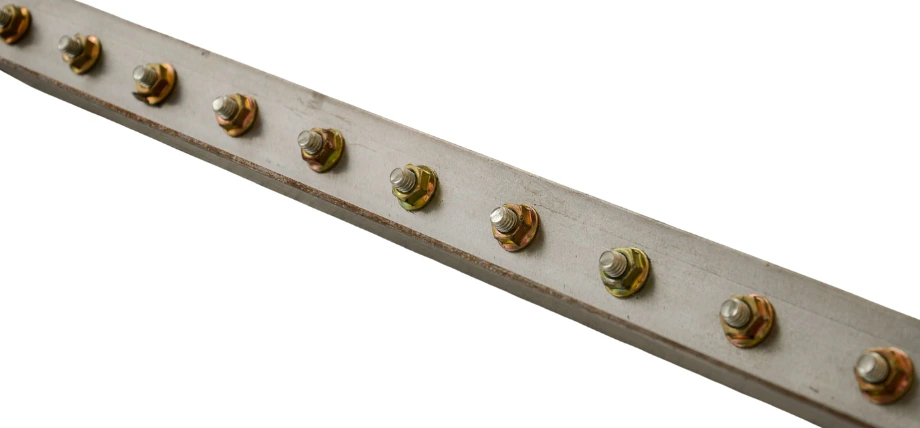
Huck Bolt Fasteners
- Removable, adjustable, and reusable
- Bolt provides high tensile strength while allowing users to set precise preload levels.
- Suitable for maintenance and inspections
- Installed with common tools
- Can integrate locking features
- Available across a wide range of materials and strengths
Limitations of Bolts
- Can loosen under vibration without proper locking features
- Generally require access to both sides (except when using nuts on studs or threaded inserts)
- Typically heavier than rivets for equivalent shear strength in bolts
- Higher part count
- Slower installation and preload verification
- Dependent on proper torque control for reliability
Selection Factors Between Rivets and Bolts
Load Conditions
- The use of rivets is appropriate when shear forces or lateral loads act on the fastener axis.
- Bolts become suitable for selection when joints experience tensile forces, or when they need to resist shear forces and tensile forces, or when controlled clamping and preload requirements need to be met.
Maintenance
- Rivets are ideal when no future disassembly is planned, as they maintain strength without maintenance.
- The requirements for future inspection, replacement, and repair work, and access needs make bolts the better choice.
Installation Access
- The installation process becomes simpler when using blind rivets because they provide better access through restricted areas.
- Bolts function at their best when users require access to both sides of a structure, yet rivets prove more suitable when access becomes limited.
Weight Considerations of Rivets VS Bolts
- Rivets help decrease structural weight in sheet-metal structures and lightweight assemblies, and in aerospace applications that need to minimize mass.
- Bolts remain suitable for thick-material assemblies that do not require weight reduction, even though their heavy hardware components exist.
Production Volume and Cost of Rivets VS Bolts
- The mass production of sheet-metal items and automotive body shells becomes possible through rivets because they enable simpler part design and faster assembly at lower production costs per finished unit.
- Bolts offer better flexibility and reusability and lower lifecycle expenses for products that require maintenance and have restricted production volumes.
Sheet Metal Fabrication Services
Proleantech provides high-quality sheet metal service, and we have an inventory of standard aluminum and steel alloys for the aerospace industry for quick sampling and prototyping. We also have copper, brass, and galvanized options with rivets and bolt assembly options.
Key advantages of working with Proleantech
- Shorter lead times
- Advanced joining and fastening robot assembly
- Material Certificates for alloys
- Online sheet metal part quotes
Request a free quote today!
Conclusion
Rivets and bolts serve complementary roles: rivets provide permanent, shear-resistant, vibration-proof joints ideal for thin sheet metal and aerospace structures, while sheet metal bolts offer adjustable, high-tensile, serviceable joints suited to heavy structural connections and machinery that requires periodic maintenance or disassembly. Are rivets stronger than bolts depends on the application and material of the fastener.
FAQ
Are Rivets Stronger Than Bolts?
Bolts have a higher tensile strength, and it has a larger clamping strength. Rivets are more suitable for shear stresses and connecting parts and plates that are prone to vibration.
Why Use Rivets Instead Of Bolts?
Rivets are used for permanent joints in applications and are unaffected by vibration, which can loosen bolts and nuts.
Why Is Riveting No Longer Used?
Riveting use has declined because of better permanent fastening methods like welding and progress in machining and making larger sheet metal panels that no longer require riveting or require minimal riveting.
0 Comments