
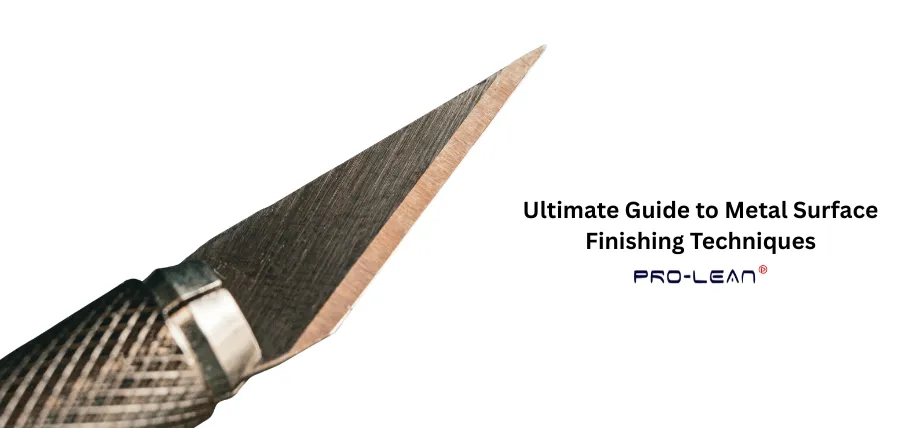
Precision blade surface finishing
Surface appeal is the first impression that goes to a buyer’s mind when looking at a product. Also, in addition to structural properties, surface features directly affect the performance of a part (corrosion resistance, conductivity, strength, etc.). That’s why manufacturers use various metal surface finishing methods to modify the outer layer of a metal component after machining or fabrication. These treatments help your parts perform better in harsh environments and extend their service life.
What Is Metal Surface Finishing?
The processes you use to modify the surface of a metal component after manufacturing are known as metal surface finishings.
You have to perform various manufacturing processes, such as CNC machining, casting, or forging, to produce metal parts. During these processes, parts can get rough or come out with uneven surfaces. These surfaces can contain imperfections like tool marks, oxide layers, and microscopic defects. The main goal of metal finishing processes is to remove these imperfections and create a uniform and smooth surface.
Some of the popular metal finishing techniques used to achieve different types of surface finishes are:
- Electroplating
- Powder coating
- Passivation
- Grinding and polishing
- Abrasive blasting
- Electropolishing
The type of surface finish you use depends on its compatibility and requirements for the job. Some surface finishing processes, such as grinding and polishing, are done solely to improve the appearance and aesthetics. But there are also processes such as powder coating, electroplating, and passivation that improve mechanical performance and properties.
How Metal Parts Are Affected By Surface Finish
Surface finish improves the appearance as well as how the component behaves during service. The right finishing processes can greatly improve the durability, safety, and long-term performance of a part.
Corrosion Resistance and Corrosion Wear Protection
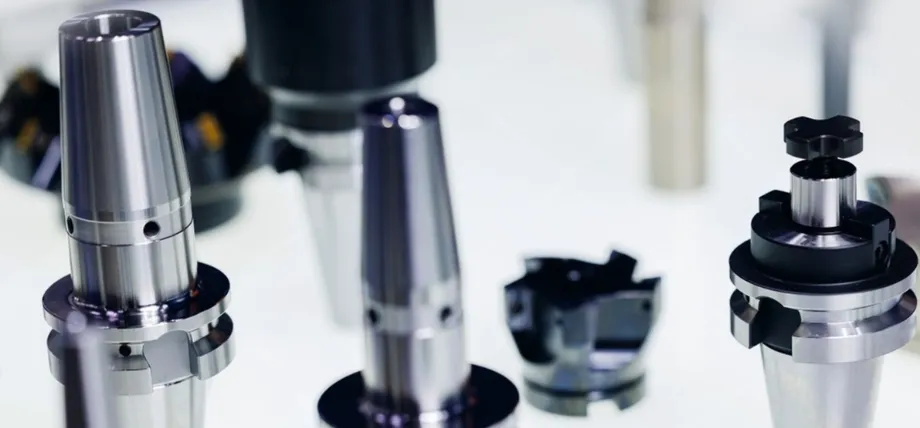
Industrial CNC tooling finishes
One of the main reasons that manufacturers apply metal finishing treatments is to protect metal parts from corrosion. When metals are exposed to moisture and chemicals, they can get corroded fast. Therefore, you can use surface finishing methods such as galvanizing, passivation, and powder coating to improve the corrosion resistance. These processes create protective layers that isolate the base metal from the external environment. They act as a barrier against corrosion.
Corrosion-resistant metal surface finishings are important for outdoor equipment, marine parts, and industrial machinery. For example:
- Galvanized steel has a zinc coating that prevents corrosion by sacrificial protection.
- Passivation improves corrosion resistance in stainless steel.
- Powder coatings act as durable protective barriers.
These coatings can extend the service life of your metal components and help them function as expected.
Improved Wear Resistance and Surface Texture
You can also improve the wear resistance of a component with surface finishing. This is important for metal components that slide, rotate, or repeatedly get contacted with other surfaces. They frequently experience friction and abrasion, making the surface rough. A rough surface can accelerate wear and reduce performance.
You can employ processes such as case hardening, grinding, and shot peening to improve surface hardness and reduce wear. Surface finishing can also control surface texture. For example:
- Brushed aluminum provides a smooth decorative appearance.
- Mirror finishes are used in medical and food-grade equipment.
- Matte surfaces can reduce glare and fingerprints.
The right surface finish improves both function and aesthetics.
Surface Finish Metrics
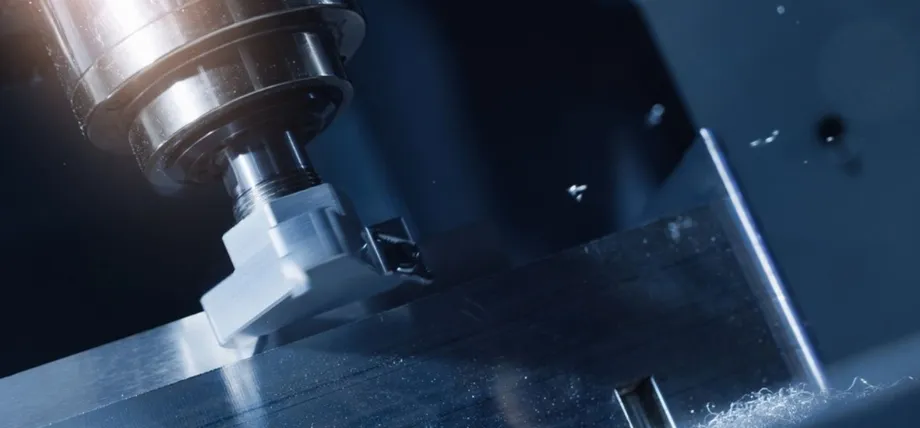 Raw CNC-machined surface
The quality of a surface finish is usually measured using standardized surface roughness metrics.
Surface Roughness (Ra)
Surface roughness (Ra) represents the average height deviation of surface irregularities. It is one of the most common metrics used to measure machining surface finish. Ra values are mostly measured in microinches (µin) or micrometers (µm). Lower Ra values indicate smoother surfaces.
Surface Texture
Surface texture describes the overall pattern and irregularities on a metal surface at a small scale. It usually includes:
- Roughness – small and fine irregularities on the surface
- Waviness – larger spaced surface variations
- Lay – shows the direction of the surface pattern made by machining or finishing
- Flaws – defects such as scratches, pits, cracks, or dents that can affect appearance and performance.
You can see that surface roughness is one part of surface texture. Surface texture is a broader property and includes all the small surface features. These characteristics influence friction, lubrication performance, and fatigue resistance of a part.
Mirror Finish
An extremely smooth and highly reflective metal surface is called a “mirror finish.” You can obtain a mirror finish through polishing or electropolishing processes. Most of the medical instruments and optical components have this mirror finish.
Standard Surface Finishes
Standard surface finishes are the common finish levels you get from regular manufacturing or machining processes. They give you a practical surface quality suitable for general use. You can choose the right process considering your requirements, such as cost, performance, and appearance.
Try Prolean Now!
Types of Metal Finishing (Chemical and Coating-Based)
There are several chemical and coating-based metal finishing processes used in manufacturing.
Electroplating
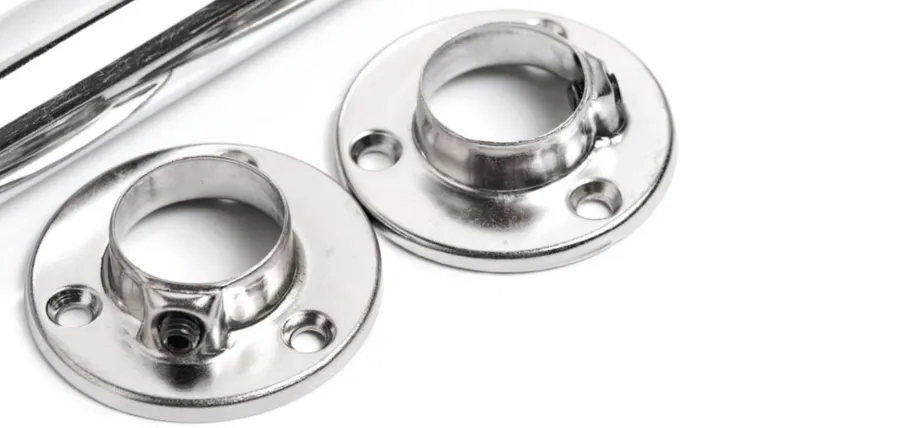
Chrome electroplated metal components
Electroplating deposits a thin layer of metal onto a component using an electric current. Nickel, chromium, and zinc are some of the popular electroplated coatings. You can improve the corrosion resistance, conductivity, and appearance of a part with electroplating.
Electroless Plating
Electroless plating is similar to electroplating, but you don’t need electricity. Instead, it uses chemical reactions to deposit metals such as nickel or copper onto the surface. You can obtain more uniform coatings with this method, even on complex shapes.
Powder Coating
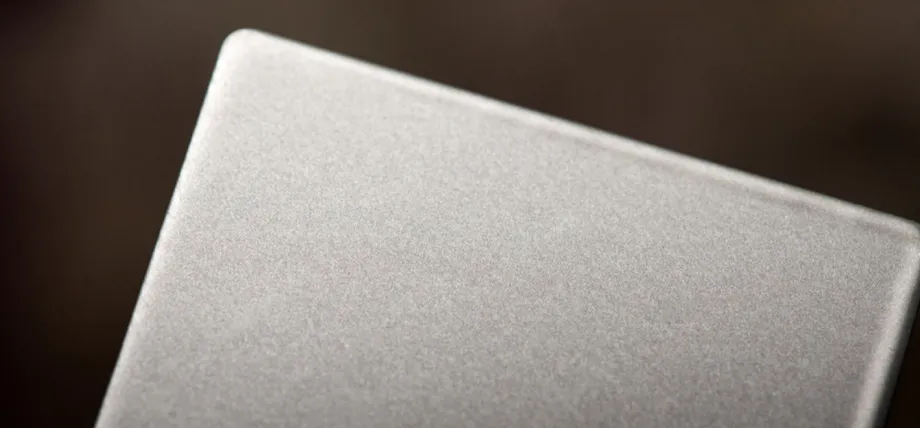 Textured powder coating finish
Powder coating is a dry finishing process. Here, you apply electrostatically charged powder particles to the metal surface. And they are cured under heat. The result is a durable coating with excellent resistance to scratches, corrosion, and chemicals.
Black Oxide Coating
Black oxide coating is a surface treatment you apply mainly to steel parts. It creates a thin black protective layer on the surface without changing the part size much. It improves appearance, reduces light reflection, and gives mild corrosion resistance. You choose it when you want a clean black finish. This finish is commonly used for tools and mechanical components.
Hot Blackening
Hot blackening is another chemical finishing process you use to form a black oxide layer on steel parts at high temperatures. It improves appearance, reduces glare, and provides light corrosion protection.
Galvanizing Process
The galvanizing process applies a protective zinc coating to steel surfaces. You can use hot dipping to galvanize the steel. Galvanized coatings protect steel from rust and are widely used in outdoor structures and construction components.
Passivation
With passivation, you can remove free iron and contaminants from stainless steel surfaces. It improves corrosion resistance by enhancing the natural oxide layer of stainless steel.
Mechanical Metal Finishing Processes
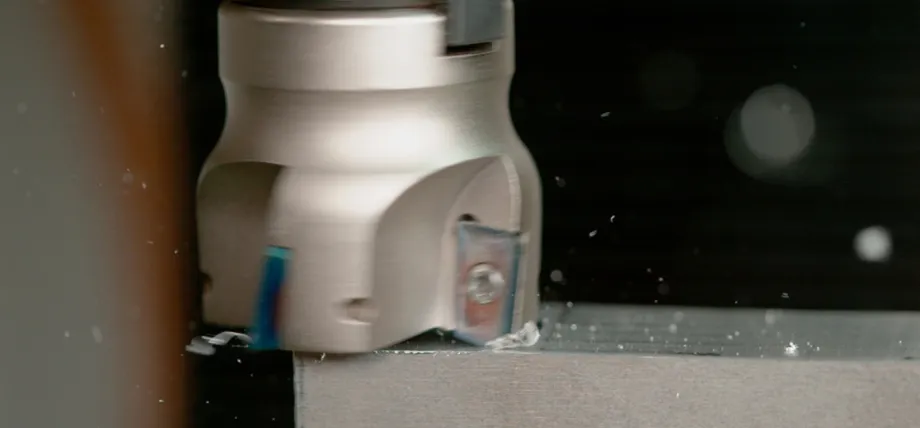
Face milling surface process
Mechanical finishing is also popular as a simple and practical surface finishing technique. Here, you improve metal surfaces using abrasion, polishing, or mechanical impact.
Buff Polishing
In buff polishing, soft wheels and polishing compounds are used to create a smooth and reflective finish. Most decorative surfaces and mirror finishes are obtained using buff polishing.
Abrasive Blasting
Abrasive blasting uses high-pressure particles to clean and roughen metal surfaces. Sand and aluminum oxide are the widely used particles for this method. You can use this method to prepare parts for painting or coating.
Bead Blasting
Bead blasting uses fine glass beads to create a uniform matte surface. It improves appearance while removing surface contaminants.
Soda Blasting
Soda blasting uses sodium bicarbonate particles as the blasting media. It is a gentle cleaning method used for delicate surfaces.
Shot Peening
Shot peening bombards a metal surface with small spherical particles to introduce compressive stresses. This process improves fatigue resistance and durability.
Grinding
Grinding removes material using abrasive wheels to achieve precise dimensions and smooth surfaces.
Vibratory Finishing
Vibratory finishing uses vibrating containers filled with abrasive media to polish and smooth small metal parts.
Try Prolean Now!
Surface Finish Chart: Roughness Comparison
|
Finishing Process |
Average Ra (µin) |
Average Ra (µm) |
Best Use Cases |
|
Electropolishing |
5-10 |
0.1-0.25 |
Medical and sanitary components |
|
Buff Polishing |
10-20 |
0.25-0.5 |
Decorative mirror surfaces |
|
Grinding |
16-63 |
0.4-1.6 |
Precision mechanical parts |
|
Bead Blasting |
63-125 |
1.6-3.2 |
Matte cosmetic finishes |
|
Powder Coating |
100-200 |
2.5-5 |
Corrosion protection |
|
Abrasive Blasting |
125-250 |
3-6 |
Surface preparation |
|
As-Machined |
63-250 |
1.6-6.3 |
Standard machining surface finish |
How to Choose the Right Metal Finishing Process?
Choosing the right metal finishing process depends on several factors. Before you choose a metal finishing method, you have to think of:
- The operating environment – parts exposed to moisture, chemicals, or outdoor conditions require strong corrosion protection.
- The mechanical performance of the part – if the component experiences friction or fatigue, processes like shot peening, case hardening, or grinding may be required.
- The desired appearance – decorative finishes such as brushed aluminum or mirror polishing are used in consumer products and architecture.
- Cost and production volume – some advanced processes such as micro-arc oxidation finish provide superior durability but may increase production costs.
By carefully evaluating functional and economic requirements, manufacturers can select the most suitable metal surface finishing method.
Industrial Metal Finishing Processes
These days, almost all industries use surface finishing to improve reliability and durability.
Metal Finishing For Agricultural Equipment
Agricultural machinery operates in harsh environments involving soil, moisture, and chemicals. You need proper metal finishing for agricultural equipment to protect parts from rust and abrasion. You can use methods like galvanizing, powder coating, and shot peening for this purpose. These coatings improve durability and reduce maintenance costs.
Metal Finishing For Medical Devices
Medical devices need extremely clean and smooth surfaces. Electropolishing and passivation are the ideal methods you can use to remove contaminants and improve corrosion resistance. Metal finishing for medical devices also helps prevent bacterial growth and ensure compliance with medical safety standards.
Metal Finishing For The Energy Industry
Components used in power plants, oil and gas equipment, and renewable energy systems face extreme conditions. So, metal finishing for the energy industry mainly focuses on corrosion protection and high-temperature resistance. You can extend the equipment life and improve reliability with specialized coatings and treatments.
Try Prolean Now!
Surface Finishing Services
Are you looking to enhance the durability and corrosion resistance of your parts? At Proleantech, not only do we provide you with functional surface finishing service but we also focus on the aesthetics and appearance of parts.
Why choose us?
- Proleantech ensures consistent surface quality
- Multiple finishing capabilities available in one place
- 15+ years of manufacturing experience
- 3-7 day lead times
Conclusion
Metal components rarely perform at their best without proper surface treatment. Metal finishing processes are used to improve corrosion resistance, improve wear performance, and provide the desired appearance. Understanding the different types of surface finishes and their benefits helps you choose the most effective techniques for your application.
0 Comments