
Get a Quote →

Materials · PTFE (Teflon)

PTFE (Teflon) CNC Machining Service

Machined PTFE — the low-friction, chemically inert polymer — cut to the tolerance, minimum wall and lead time the shop holds.
$$Price band
±0.25mmAchievable · ISO 2768
0.80 mmMinimum wall
3–10 daysPublished lead time
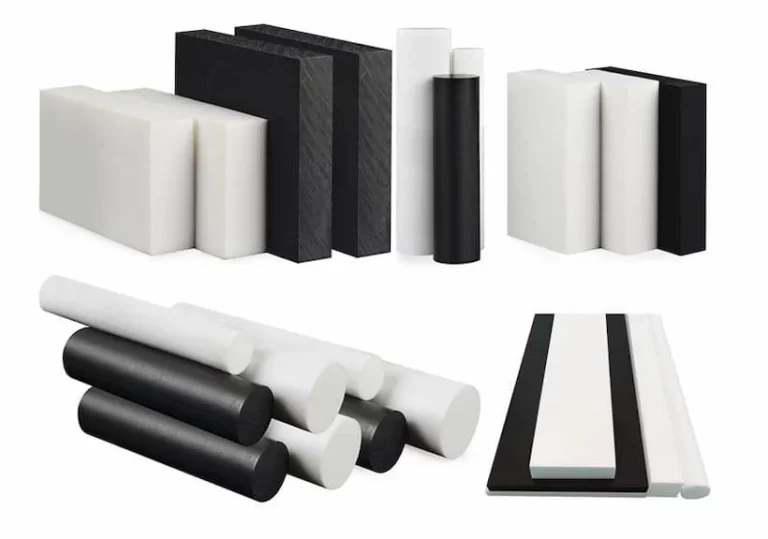
White PTFE (Teflon) rod and sheet stock on the material shelf

Specifications

PTFE specifications: ±0.25 mm tolerance, 0.80 mm wall, 3 to 10 days lead time

Six numbers a buyer asks for before sending a drawing — the process, the
tolerance we hold, the minimum wall, the largest envelope, the lead time and the price band.

Process
CNC mill · CNC lathe3-axis and 5-axis milling, turning
Achievable tolerance
Not lower than  ±0.25 mm (±0.010"),Based on the drawing, ISO 2768
Minimum wall
0.80 mmVaries with the wall-to-linear-dimension ratio
Maximum part size
200 × 80 × 100 cmLargest envelope quoted online
Lead time
3–10 daysComplex parts sit at the far end
Price band
$$Where PTFE sits against the other 22 materials
Read this first. Process, maximum part size and lead time are
identical on all 23 material pages — they describe the shop, not the material. Tolerance,
minimum wall and price band are the three that change from one material to the next.
This page publishes no grade list, so there is no grade table below — name the
grade you want on the drawing instead.

Which polymer?

PTFE, Delrin or PEEK: choosing for friction, load and heat

Each answer points at a page on this site that covers it in more depth — a
comparison, a grade guide or a process page.

Is low friction the whole requirement?
Then this page is the one, and Delrin is the page to compare it against: acetal is stiffer and holds a load, PTFE is slicker and softer.
Compare with Delrin →
Does the part carry a load continuously?
PTFE is a soft polymer and deforms under a sustained load. For a bearing or a loaded bushing, compare against PEEK and acetal — both published here.
Compare with PEEK →
Is it heat or chemical exposure that decides it?
The high-temperature pages on this site are PEEK, PPSU and the PPS page, and they cover the same service with more mechanical strength than PTFE.
See the high-temperature polymers →
Not sure it should be a polymer at all?
The materials page covers all 23, metals included, and the thermoplastics guide covers what actually separates one resin from another.
See all 23 materials →
Comparing PTFE (Teflon) with something else?Send the model and the drawing. If the material is still open, the grade call comes back with the price instead of as a separate question.
Get a quote

Machining & tolerance

Machining soft PTFE: tolerance, support and inspection

The published tolerance on this page is Not lower than  ±0.25 mm (±0.010"),
on the drawing, to ISO 2768. Where a feature needs better than that, say so on the
drawing — that conversation belongs before the tool goes in, not after.

Finishes

Finishing a PTFE part: deburring, blasting and as-machined

This is the polymer set of finishes: polishing, blasting, sanding and fine machining. The metal pages list the plating and heat-treatment routes instead.

Applications

Where PTFE earns its cost: insulation, friction and chemical service

  • High-temperature electricalInsulating parts for high-temperature appliances
  • Low-friction partsSliding contact and non-stick surfaces
  • Chemical serviceParts that have to resist what they touch

All of it cut on the same floor —
see CNC machining and
how we hold tolerance.
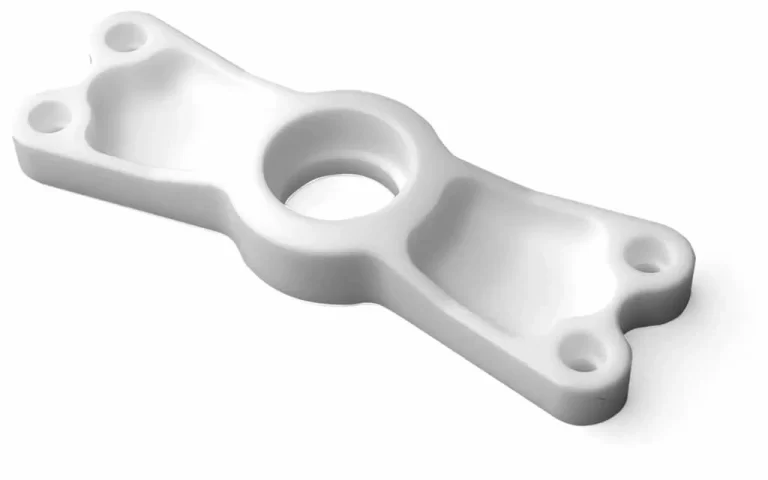
A machined white PTFE bracket for aircraft equipment, with drilled mounting holes
A PTFE bracket, drilled and finished — as machined.

Further reading

PTFE in context: friction, machining and the alternatives

Deeper reading from around this site — the comparisons, the standards and the
process notes behind this material.

Material choiceCommon materials for CNC machiningWhere the plastics sit next to the metalsRead →
ThermoplasticsCNC machining of thermoplastics: a comprehensive guideThe family this material belongs toRead →
MachinabilityMachinability of material and its relation with CNC machiningWhat the cutting data is really telling youRead →
TolerancesNavigating the precision of ISO 2768: a guide to standard tolerancingHow the general-tolerance standard readsRead →
Other polymerDelrinThe page buyers usually compare PTFE againstRead →
Reading first, or ready to quote?The pages above set out the trade-offs. If the part is already drawn, send it and the quote comes back in one business day on a clean drawing.
Get a quote

FAQ

PTFE machining: grade, friction, tolerance and lead time

Straight answers to the questions that come up most often on a CNC quote —
with the figures published for this material, and a link for each point.

Which grade of PTFE can you machine?
This page publishes no grade list, so no grade is named here. Teflon is a trade name for PTFE, and the generic name is what gets a quote: polytetrafluoroethylene, with any filler stated. That is a limit on what is listed, not on what is quoted — name the grade or the property you need on the drawing and it is confirmed in writing.
What tolerance can you hold?
±0.25 mm, on the drawing, to ISO 2768 — the figure published on this page. Where a feature needs tighter than that, mark it on the drawing so it is priced and inspected as a controlled feature.
What is the smallest wall and the largest part?
Minimum wall is 0.80 mm. Maximum envelope is 200 × 80 × 100 cm. Both are shop-wide constants, identical on all 23 material pages.
How fast is a PTFE part?
3 to 10 days, with complex parts at the far end. Post-processing, if you ask for it, is a separate step and adds to that window.
Which finish should I ask for?
The cards in the finishes section above are the polymer set — polishing, bead blasting and as-machined / deburring among them. The full list of 20 is at surface finishes.
What files should I send?
STEP, STP, IGES, IGS, SLDPRT, STL, DXF, DWG, PDF, DOCX, JPG, JPEG, PNG or ZIP. A 2D PDF plus the model is the combination that gets quoted fastest.
Is my drawing kept confidential?
Uploads stay with the people quoting and making the part. If you need a mutual NDA in place first, say so on the contact form and it is arranged before files change hands.

Next step

Send the drawing — we come back with the material call and the price

Upload the model and the 2D PDF. You get a manufacturability note, a note on the resin if the drawing leaves it open, and a price.

All uploads are secure and confidential.

  • Quoted in 1 business day on a clean drawing
  • The resin and fill stated in writing on the quote
  • First article inspected before the run