
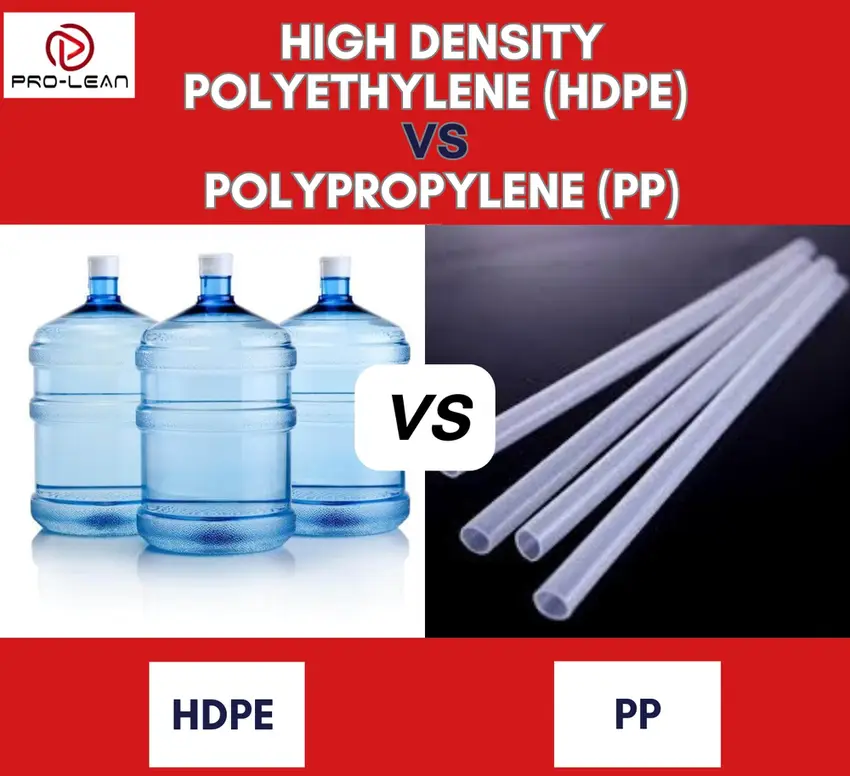
HDPE vs PP
When it comes to materials that offer a balance of cost-effectiveness, durability, and versatility across key sectors, there are two big guns: HDPE (High-Density Polyethylene) and PP (Polypropylene). They are unsurprisingly popular in HDPE machining and polypropylene machining. Comparisons such as low-density polyethylene vs high-density polyethylene are also valuable for engineers in determining which specific polyethylene suits an application.
While they share these characteristics, the plastics do have differences, which could affect projects. Polypropylene is generally more transparent and heat-resistant. High-Density Polyethylene thrives in impact resistance, tensile strength, and flexural strength.
The best choice for your projects depends on requirements such as temperature and loading. This article breaks down the differences to help you understand why one material would be a better fit than the other.
What is HDPE?
High-Density Polyethylene (HDPE) is a thermoplastic or human-made plastic with ethylene molecules as the main building blocks. The resulting linear formations result in a lightweight, strong compound.
How HDPE is Produced
The first step in HDPE manufacture is to produce ethylene, which is originally a gas. These molecules are commonly derived from ethane gas in natural gas. Steam cracking is then performed with ethane as the raw material. The process entails heating ethane to produce ethylene. Polymerization then follows to create polyethylene chains. The addition of the Ziegler-Natta catalyst to these chains forms a viscous resin called High-Density Polyethylene (HDPE).
The Molecular Structure of HDPE
The general chemical formula for HDPE is (C2H4)n. It is as illustrated below:
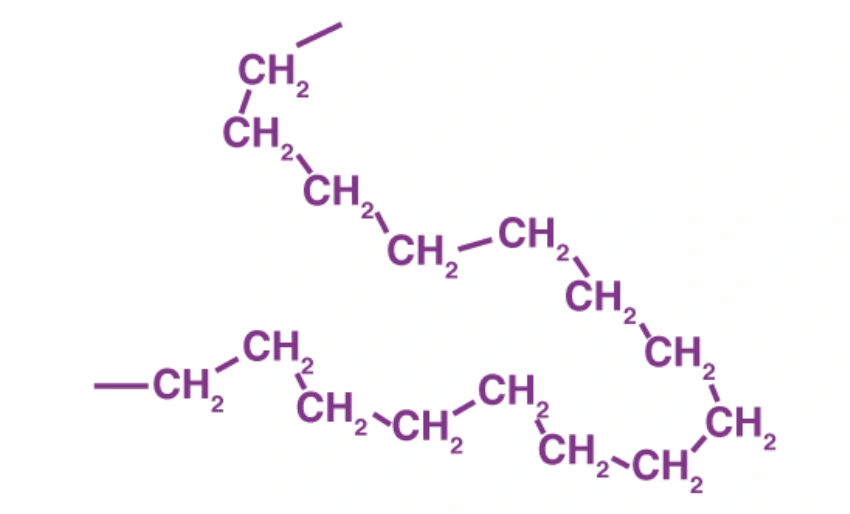
HDPE structure
Benefits of HDPE
Products made of HDPE present the following benefits:
- Highly moldable
- Corrosion resistant
- High strength-to-density ratio
- Easy to recycle
Limitations of HDPE
However, the thermoplastic has the following limitations:
- With an HDPE plastic melting point of between 120 and 130°C, HDPE has limited temperature resistance
- UV radiation sensitivity
- Difficult to bond and weld the plastic
- Potential to add to plastic pollution
What is PP?
Polypropylene (PP) plastic is a low-cost, versatile, and rigid polymer built from propylene. Since its initial polymerization in the 1950s, this thermoplastic has been extensively used across industries.
The other characteristics of PP plastic material that address market needs include fatigue resistance, electrical insulation at high temperatures, transparency and opaqueness capabilities, and a low coefficient of friction. Engineers also usually evaluate PP density, particularly for weight-sensitive applications. As seen in the molecular structure below, PP consists of propylene monomers. Its general formula is (C3H6)n.
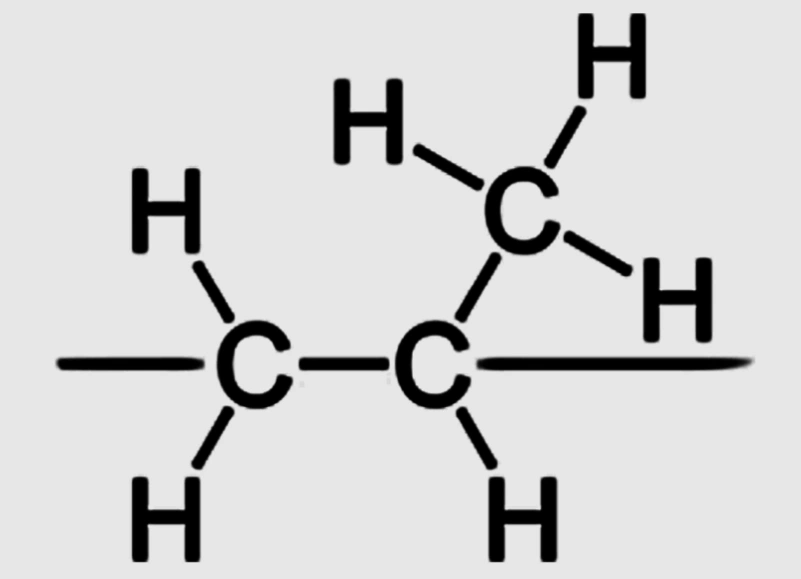
PP plastic molecular structure
The Manufacturing Process for PP
Producing polypropylene entails the polymerization of propylene gas. Ziegler–Natta catalysts or metallocene catalysts are commonly used in this process. The catalysts ensure that the correct performance characteristics are achieved. Once the PP polymer is formed, it can be processed into fibers, granules, or films. That’s how versatile this thermoplastic is.
Even regarding using the material in part manufacturing, various methods are applicable. The most popular ones are 3D printing, thermoforming, injection molding, blow molding, and extrusion. Soft and flexible as it is, the PP plastic material cuts easily. So, CNC machining can also be applied to PP parts.
Types of Polypropylene
The two main grades of polypropylene are homopolymers and copolymers. Each of these has its ideal applications, based on its properties.
Polypropylene Homopolymer – This grade of PP plastic material comprises the propylene monomer. Its main properties are a high strength-to-weight ratio, corrosion resistance, impact resistance, and chemical resistance. PP density remains relatively low for these different grades. It is the property behind the suitable strength-to-weight ratio.
Polypropylene Copolymer – This grade is manufactured from a mixture of propylene and ethylene, or any other suitable comonomer. Compared to PPH, this grade is more impact-resistant, flexible, and clearer.
What are the Advantages of PP?
The main advantages of PP parts are;
- Polypropylene density is low. It contributes to its lightweight nature, especially in automotive and packaging applications.
- High chemical resistance
- Excellent impact resistance
- Moldable into different shapes
- High moisture resistance
What is a Disadvantage of Polypropylene?
Some concerns when using PP parts are;
- Brittleness at low temperatures
- Degradation from extended UV radiation exposure
- Highly flammable – flame retardants required
- Doesn’t bond easily
Polyethylene vs Polypropylene
The polyethylene vs polypropylene is common because polyethylene (PE) and polypropylene (PP) may look similar at first, but they have the following differences:
- PP has slightly higher chemical resistance than PE
- PP is translucent, but PE can be manufactured as transparent
- PE melts at a lower temperature
- PE’s UV resistance is higher
- They comprise different ethylene and propylene types
Try Prolean Now!
Low-Density Polyethylene vs High-Density Polyethylene
The machining behaviour and mechanical properties of different alternative plastics are relevant, and one important comparison is between HDPE and LDPE. LDPE is preferred for applications requiring clarity and flexibility. HDPE uses are typically in projects that require superior temperature resistance, chemical resistance, and rigidity.
These distinct capabilities emanate from the structural differences. LDPE features a branched structure, while HDPE gets its strength and rigidness from a linear structure. When it comes to processing, LDPE excels in injection molding, while HDPE is recommended for CNC machining.
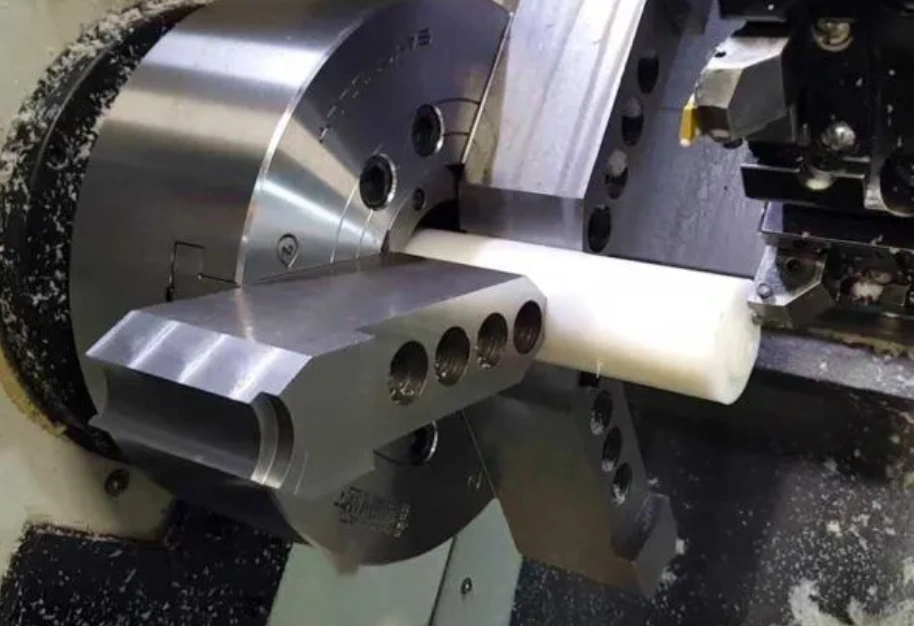
HDPE CNC machining
Comparing HDPE vs PP
To understand the differences between HDPE and PP, we now compare the two along material PP and HDPE properties, performance levels, processing methods, typical applications, recycling, and cost.
HDPE vs PP: Material Properties
Here is how the main material properties for HDPE vs PP compare. Beyond density and tensile strength, polypropylene’s hardness is another critical factor for load-bearing or wear applications.
|
Material Property |
HDPE |
PP |
|
Density |
HDPE has a higher density than PP |
Polypropylene density is lower than that of HDPE. |
|
Transparency |
HDPE is generally opaque |
PP can be designed to be transparent |
|
Strength |
HDPE has a higher tensile strength than PP. HDPE uses are perfect where mechanical stress is higher. |
PP has lower tensile strength, but it is still adequate for many applications |
|
Chemical Resistance |
HDPE has excellent chemical resistance |
It is also highly resistant to chemicals |
|
Impact resistance |
Excellent, particularly in low temperatures. It is one of the most popular impact-resistant plastics |
PP demonstrates excellent impact resistance, even at lower temperatures |
|
Weatherability |
Good performance outdoors |
Becomes brittle with prolonged UV radiation exposure |
HDPE vs PP: Processing Methods
Both PP and HDPE can be processed through injection molding and 3D printing. They are also machinable plastic types. However, the details and capabilities of each differ.
CNC Machining – HDPE is easy to machine due to its higher dimensional stability and stiffness. It holds tolerances better than PP does. For PP, elasticity and ductility are the main limitations.
Injection Molding – Both HDPE and PP plastic materials have good flow characteristics and low melt viscosity. A difference is noted in the processing temperature, whereby HDPE requires a slightly lower temperature.
Since both materials exhibit significant shrinkage in cooling, mold designs should account for this. Manufacturers use options such as gating and optimized wall thickness.
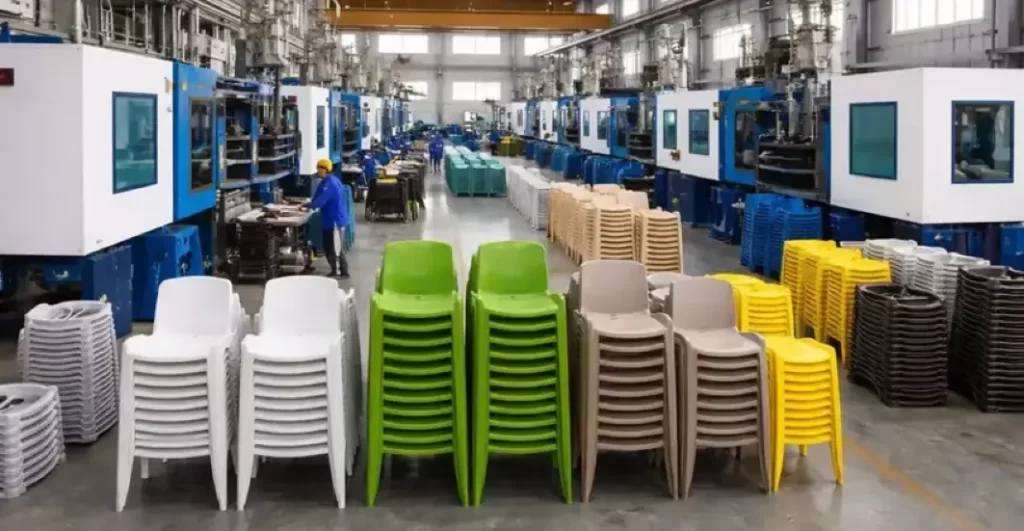
PP injection-molded chairs
3D Printing – As for 3D printing, both thermoplastics are challenging to process, but for slightly different reasons. HDPE warps, shrinks, and adheres poorly. PP presents poor adhesion due to low surface energy. Temperature and machinery control are usually the remedies for these challenges.
HDPE vs PP: Typical Applications
The typical applications, which are mostly derived from the properties of PP and HDPE, show greater differences between the two. Notably, both materials are commonly used in the packaging industry.
Applications of High-Density Polyethylene
The applications of high-density polyethylene spread across different industries due to its moisture resistance, chemical stability, and strength. Here are some of the industries:
Packaging – Chemical containers, milk jugs
Construction – Vapor barriers, wall protection panels
Piping – Drainage lines, water supply pipes, gas distribution lines
Consumer Goods – Toys, outdoor furniture, cutting boards

HDPE outdoor furniture
PP Applications
Examples of uses of polypropylene are:
Packaging – Hinged lids, food tubs
Medical – Pill bottles, medical trays, syringes
Textiles – Ropes, carpets, non-woven fabrics
Automotive – Battery containers, bumpers, interior trim panels
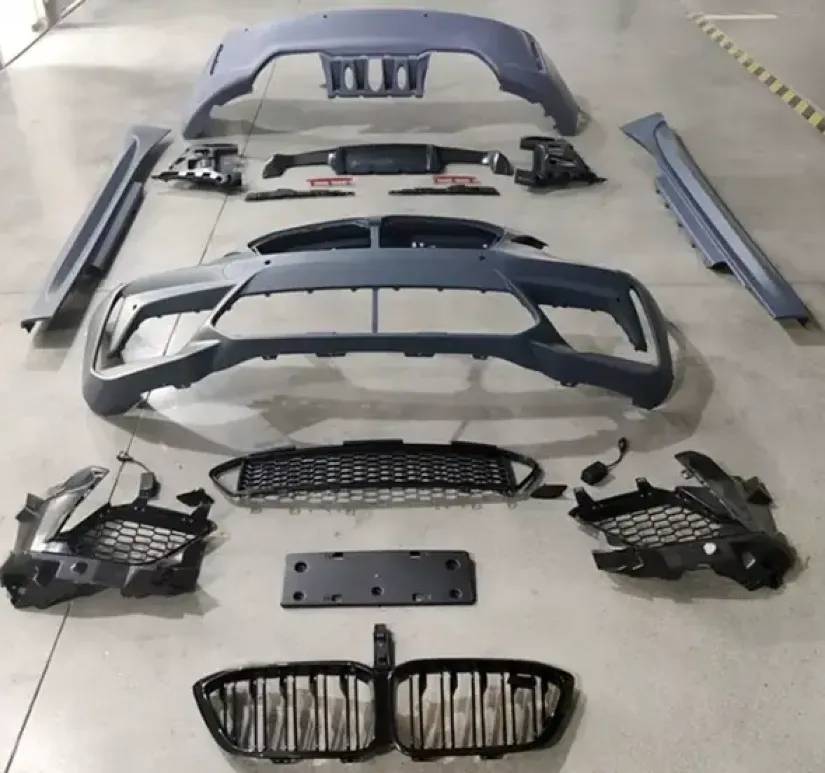
PP car bumpers
Try Prolean Now!
HDPE vs PP: Recycling and Environmental Impact
While the two materials are recyclable, HDPE is more commonly recycled. Indeed, it is one of the most recycled plastics globally.
As you can imagine, PP has a more negative environmental impact. It is often used to manufacture single-use items. Since HDPE products typically last longer, their overall environmental impact tends to be less. That said, proper disposal of these plastics is recommended.
Is HDPE More Expensive Than PP?
Yes, HDPE is typically more expensive than PP. Its processing requirements are more expensive. PP’s affordability is sometimes a dealbreaker, especially for lightweight applications.
Which One Is Better, HDPE or PP?
Choosing between HDPE plastic and PP plastic material – a common polyethylene vs polypropylene comparison – involves a careful look at the project requirements against each plastic’s capabilities. Here are points, including chemical/environmental and temperature resistance, flexibility requirements, recyclability, and strength, to help you make this decision.
- Chemical and Environmental Resistance
Both thermoplastics have great chemical resistance. However, HDPE is a better outdoor performer.
- Flexibility Requirements
HDPE is relatively rigid, so go with PP if you need more flexible parts. PP is also more fatigue-resistant.
- Recyclability
The two materials are recyclable, but global trends show that HDPE is more frequently recycled.
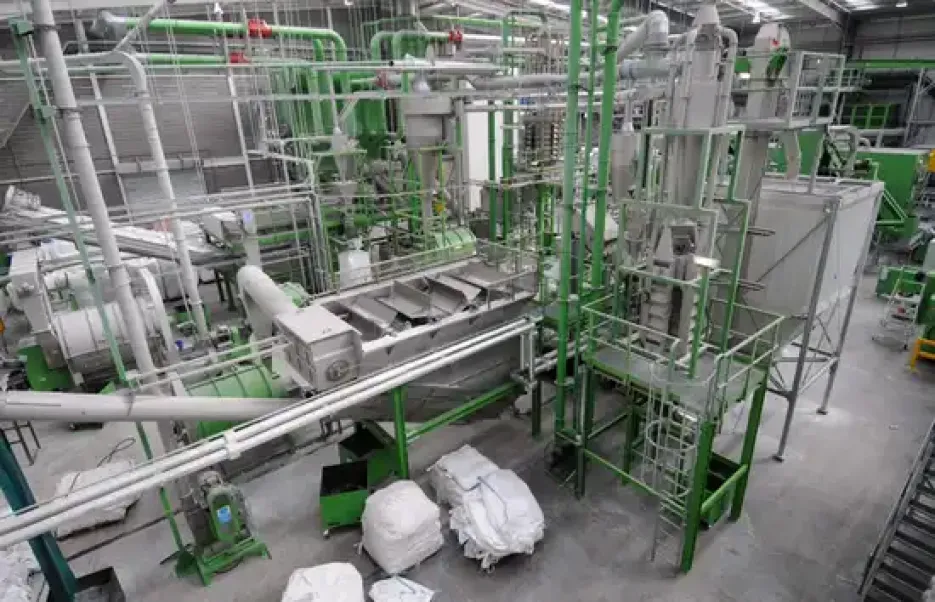
HDPE recycling plant
- Strength
If you are looking for load-bearing parts that can last longer, go for HDPE material. But if you need only moderate load-bearing capacity, the lighter PP plastic will do. This is mostly due to the lower density of polypropylene compared to HDPE.
- Temperature Resistance
PP, with its higher melting point, can handle higher temperature applications. HDPE plastic melting point is lower, so the parts are limited to moderate temperature applications.
Recommended Further Reading:
Conclusion
As the article shows, PP and HDPE are strikingly similar, making it easy to confuse the two thermoplastics. However, procuring a material for a specific project requires a strict choice depending on the properties. The stark differences in density, melting point, chemical resistance, and structural strength should guide the choice. But from the outlook, these plastics are so similar that some tests may be required, say, a flame test.
You don’t have to go to those lengths when you have experts at ProleanTech. Whatever your parts requirements are for these and other plastics, you can always get help from the team. Request professional plastic machining service today.

0 Comments