
Ceramic CNC machining
Ceramic CNC machining services are popular in aerospace, medical, electronics, and industrial applications, among others. Ceramics have unmatched hardness, temperature resistance, low electrical conductivity, and corrosion resistance. Processing ceramics involves choosing from structural and advanced varieties and then applying the right manufacturing strategies. Machining is through green machining, bisque machining, or fully sintered ceramic machining.
Beyond that, the machinist also considers elements such as the type of tool, cutting parameters, fixturing, and part complexity. However, the general CNC machining process is still straightforward, starting with material selection all the way to quality control.
This article covers all these aspects of ceramic machining.
What Is Ceramic CNC Machining?
Ceramic CNC machining is the use of computer-controlled cutting machinery and tools to produce precision parts from different types of ceramics.
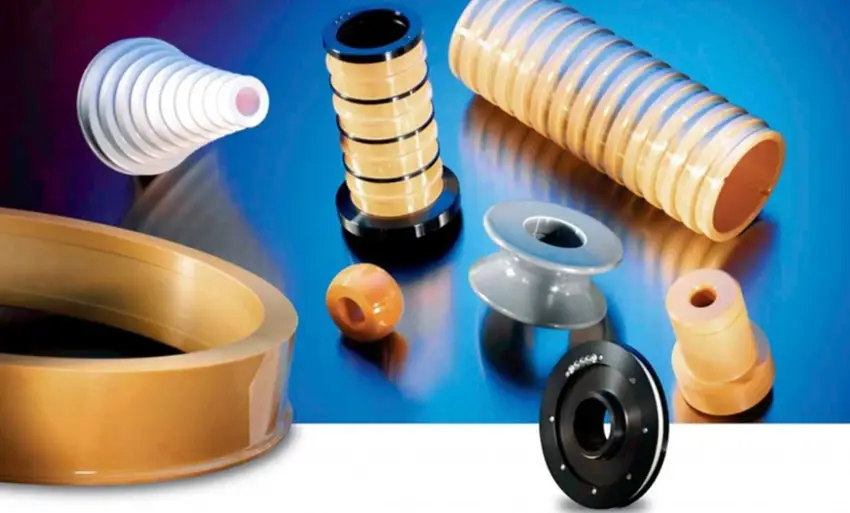
Ceramic CNC-machined parts
Ceramics differ from metals and other materials in that they are very brittle and hard. Therefore, the ceramic tooling and machinery must be specialized. As experienced CNC machining service providers, we can attest that the processing of ceramic materials is a unique discipline. It blends the capabilities of precision engineering with advanced materials science.
Common Types of Ceramics Used in CNC Machining
The commonly machined ceramics can be grouped into two: Structural ceramics and advanced ceramics. The first category is mostly built for strength. Advanced ceramics are engineered for specific properties, say chemical resistance or electrical conductivity.
Structural Ceramics
Common structural ceramics are alumina ceramic, cordierite ceramic, zirconia ceramic, mullite ceramic, silicon carbide ceramic, and steatite ceramic.
Alumina Ceramic – Alumina ceramic machining gives hard, wear-resistant, and corrosion-resistant oxide ceramic parts. The material’s formula is Al₂O₃.
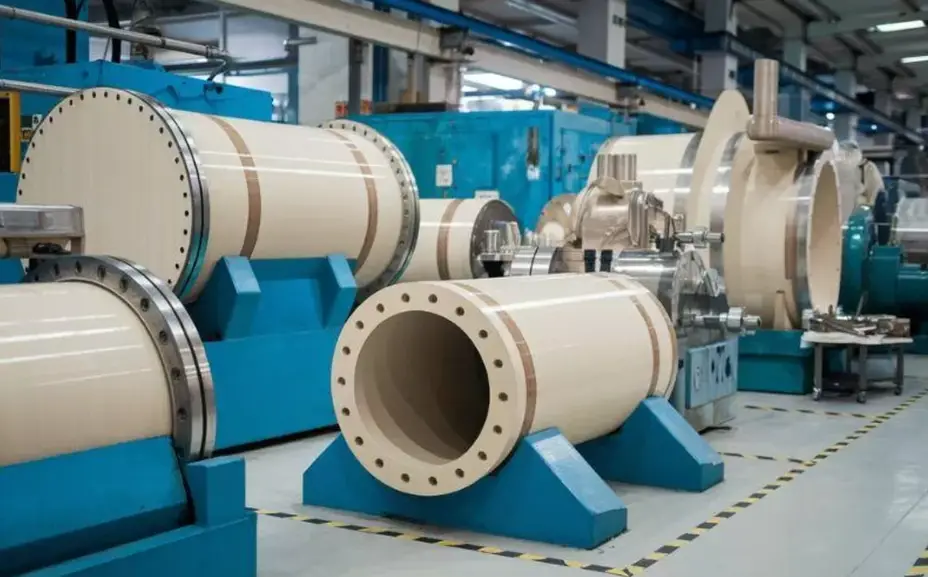
Industrial alumina ceramic
Cordierite Ceramic – This type of ceramic provides good thermal shock resistance and low thermal expansion. It is used in furnaces and catalytic converters.
Zirconia Ceramic – The formula for this structural ceramic is ZrO₂. The ceramic is also called zirconium dioxide. The white crystalline material is also called ceramic steel. High mechanical resistance, temperature resistance, and chemical resistance are some properties that matter for jewelry, dentistry, and thermal barrier coatings (TBC).
Mullite Ceramic – Mullite is another oxide-based ceramic. It has a unique combination of strength, thermal shock resistance, and temperature resistance. These properties make it ideal for furnace linings.
Silicon Carbide Ceramic – Silicon carbide ceramic is popularly used for its excellent heat resistance and superior hardness. It is also chemically stable and corrosion-resistant. Its machined parts make quality automotive parts, jewelry, refractory parts, and cutting tools.
Steatite Ceramic – Although softer than alumina and zirconia, steatite is a remarkable dielectric material. It can be machined and used for electrical insulation. It comprises magnesium oxide (MgO) and silicon dioxide (SiO2), hence its other name – magnesium silicate.
Advanced / Technical Ceramics
Advanced ceramics include aluminum nitride, boron nitride, glass ceramics, macor, mycalex, quartz, and titanate ceramics.
Aluminum Nitride Ceramic – Aluminum is one of the most popular nitride ceramics, alongside boron nitride. It stands out for dielectric properties, strength, electrical insulation, wear resistance, and thermal conductivity.
Boron Nitride Ceramic – This ceramic is available in both powder and solid forms. It has a microstructure that supports electrical insulation, machinability, and thermal conductivity.
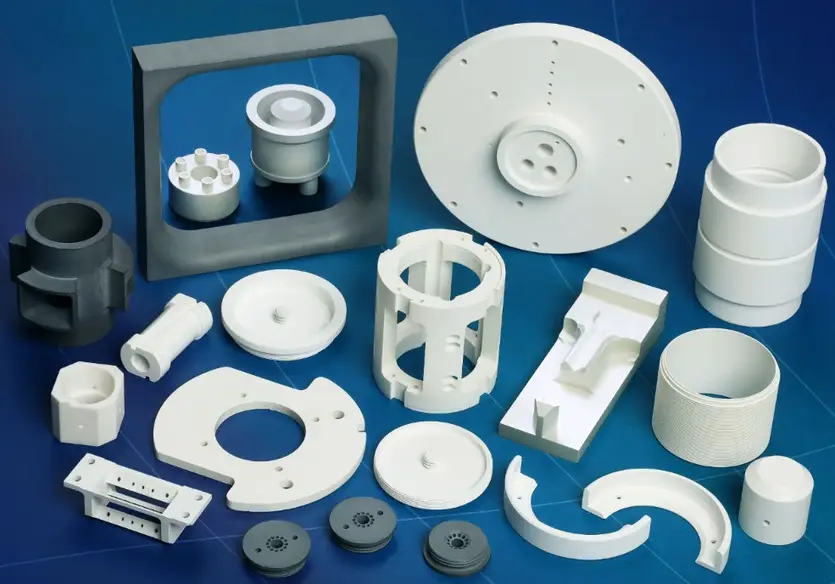
Boron nitride ceramic parts
Glass Ceramics – This is a composite containing crystallized glass. The ceramic type is ideal for high-temperature applications, typically in kitchens. Specifically, it is used for cooking utensils and trays.
Macor Ceramic – In macor, you are looking at a highly versatile and machinable type of glass ceramic. Its machinability can rival that of some metals. Therefore, many industries can utilize the ceramic advantages and the complexity of metal parts.
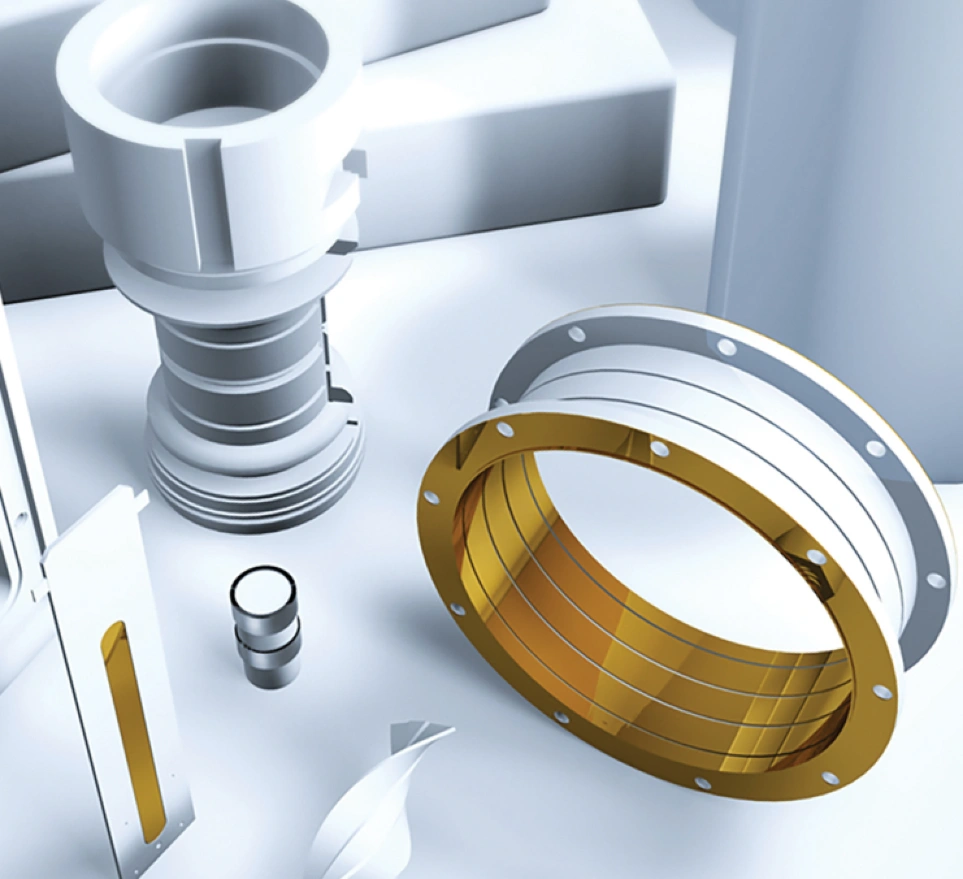
Macor ceramic
Mycalex® Ceramic – Mycalex® comprises glass and mica. It is often used as an alternative to high-performance plastics.
Quartz Ceramic – The raw material for this type of ceramic is quartz glass. It is ground, molded, and sintered. Quartz ceramic machined parts are durable, corrosion-resistant, and thermal shock-resistant. They also have good insulation properties.
Titanate Ceramics – Another advanced type of CNC machining ceramic is titanate. It is renowned for excellent electrical, mechanical, and thermal properties.
Key Properties of Ceramics and Their Impact on CNC Machining
The key properties of ceramics in relation to machining are mechanical properties such as fracture toughness, brittleness, and hardness. Heat resistance is a notable thermal behavior of the material. There are also electrical-chemical characteristics such as inertness and insulation.
Let’s look at these properties in more detail below.
Mechanical Properties of Ceramics
Hardness
Ceramics have high hardness – a Mohs hardness of 8-9. Only diamonds are harder than this. This property makes ceramics suitable for wear-resistant parts.
Brittleness
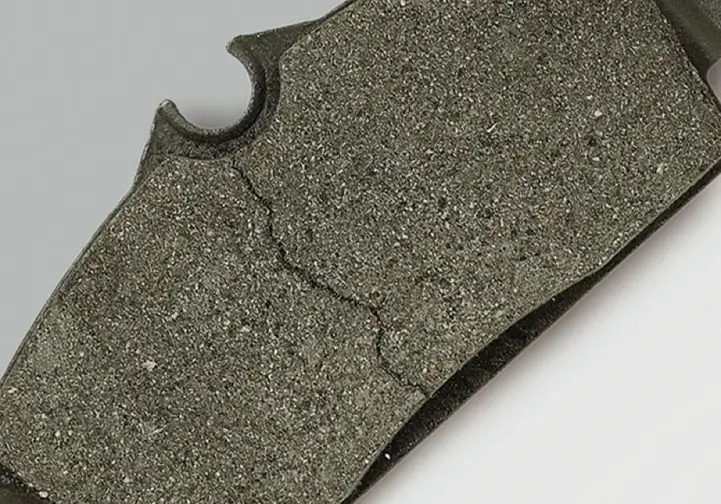
Cracked ceramic brake pad
Ceramics are brittle, meaning that they tend to fracture without much plastic deformation. However, some advanced ceramics are designed for higher toughness. They can remain intact on impact.
Fracture Toughness
As mentioned, some modern ceramics have enhanced fracture toughness. The material’s processing methods and compositions are designed for this property. Examples of these are silicon nitride and Zirconia (ZrO2).
Thermal Properties
Heat Resistance
The heat resistance for ceramics can reach 1000°C and more. This high temperature resistance is advantageous in CNC machining projects because the parts can withstand very high temperatures. For this property, ceramics make good friction-bearing parts, for example, bearings.
Thermal Conductivity
Ceramic materials have low thermal conductivity. Therefore, CNC machining these materials generates heat, which could trigger brittle damage. Forced cooling is necessary using the relevant coolants. For instance, liquid nitrogen is an effective coolant for a ceramic type like silicon nitride.
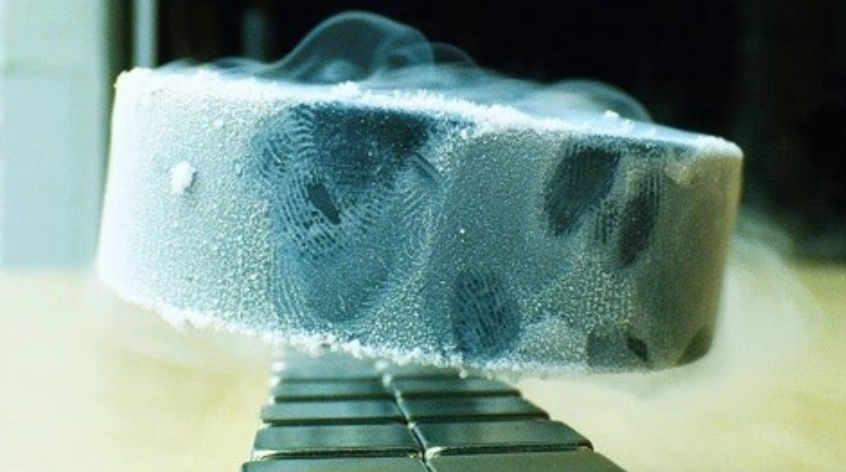
Liquid nitrogen cooling in CNC machining
Electrical and Chemical Properties
Electrical Insulation
Ceramics are outstanding electrical insulators. Their machined parts are widely used to insulate electrical components and wires.
Chemical Inertness
The outstanding chemical inertness or resistance of ceramics is critical in CNC machining circles. The material is resistant to sterilization processes and other chemical encounters.
Ceramic CNC Machining Processes
There are three different states of ceramic CNC machining. These are bisque, green, and fully sintered. The machinist and client discuss and choose the option to take based on dimensional stability, machinability, and the required characteristics of the machined part.
Green Machining
Green machining refers to the machining performed on the ceramic material that has just been shaped but is still in the unsintered state.
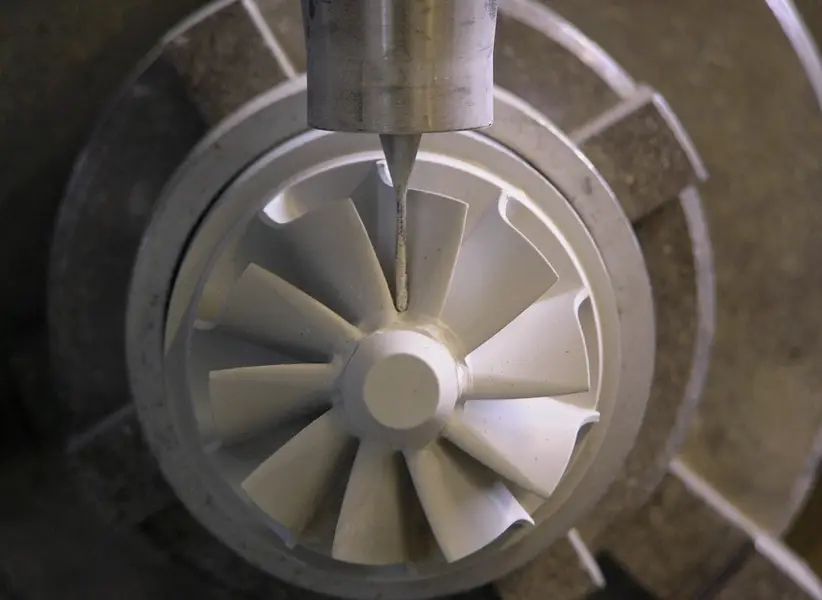
Green machining
White State Machining
The white state, or partially sintered state, is defined by a denser and stronger material. The machinist can perform more precise cuts on this material because it has higher dimensional stability.
Fully Sintered Ceramic Machining
This state of ceramic is already completely hardened. The highly brittle and hard material requires matching CNC machining tooling and approach. Diamond-coated tooling has proven to be very reliable.
Steps in Ceramic CNC Machining
Effective ceramic CNC machining involves selecting the correct ceramic grade, programming the CNC machine, performing rough machining, and finishing machining. All these stages are executed with the highest expertise and keenness, considering the uniqueness of this material.
Step 1: Material Selection
The first step is to choose from the three states of ceramics: Green state, white state, and fully sintered. This is critical because the state impacts the machining process and the overall cost.
Step 2: CAD/CAM Programming
During the programming stage, the designer outlines the spindle speed, feed rate, and toolpath. CAD/CAM programs come in handy for this task.
Step 3: Rough Machining
Roughing is the removal of 60–70% of the ceramic material. The machinist goes to a depth of approximately <0.3 mm using relevant tools, for instance, diamond-coated ones.
Step 4: Final Machining and Finishing
The next step in alumina ceramic machining is to remove the remaining stock and achieve the final surface finish and dimensions. This is typically performed for thin walls and internal cavities. Finishing may comprise superfinishing and face grinding. It can deliver a finish as good as ±0.005 mm.
Try Prolean Now!
Are Ceramics Difficult to Machine?
Yes, ceramics are among the most difficult-to-machine materials due to their extraordinary hardness. These materials also fracture catastrophically and have extremely poor ductility. Fortunately, modern CNC technology, such as micro CNC machining and advanced ceramic tooling, is available. Many industries can now use ceramic parts for various applications.
Why Ceramics Are Challenging
As mentioned, brittleness and hardness are the main reasons ceramics are challenging to machine. In summary, the specific challenges of the material are:
- Abrasive Properties – Rapid tool wear
- Extraordinary Brittleness – Chipping and cracking in poor machining
- Extreme Hardness – Carbide or diamond-coated tools required
- Low Thermal Conductivity – Causes microstructures
How CNC Machining Overcomes These Challenges
We’ve already mentioned one of the major interventions, which is the use of special ceramic tooling. The others are material state control and using certain machining strategies. For the material state, it is a matter of choosing from green, white, and fully sintered for a balance of part effectiveness and machinability. Regarding machining techniques, there is coverage on that in the next section.
Key Machining Techniques in Ceramic
Successful CNC processing of ceramic materials is based on special CNC milling, surface grinding, laser cutting, and core grinding. Other machining techniques are ID slicing, diamond grinding, water dicing, hot pressing, and isostatic pressing.
CNC Milling: Multi-axis tool paths remove material to make complex ceramic parts. Chipping and cracking are avoidable with vibration control and low machining feed rates.
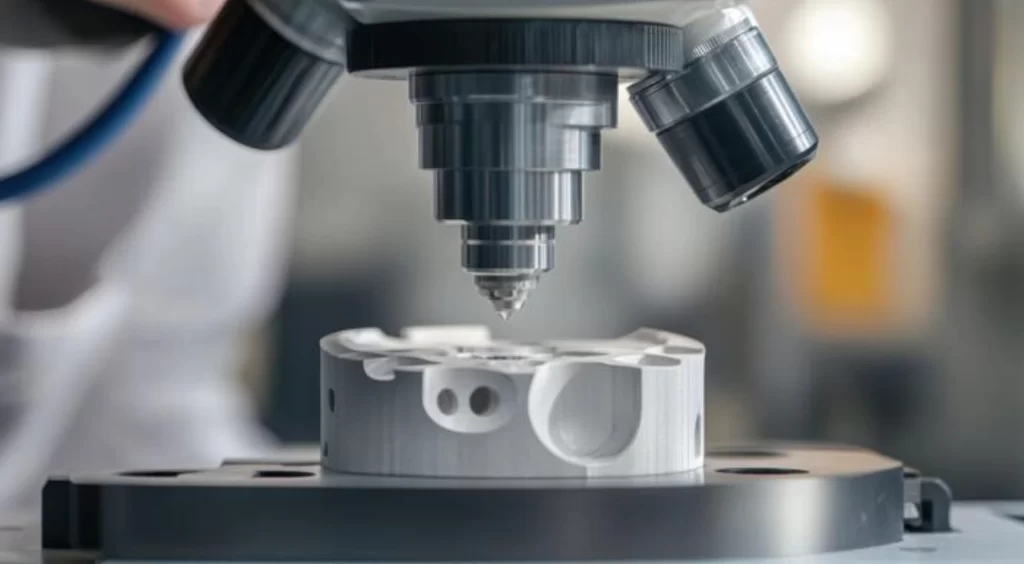
CNC milling ceramic
Surface Grinding: Surface grinding gives ceramic parts smooth surface finishes and flatness. Expertly controlled diamond wheels are the secret.
Laser Cutting: This is a non-contact, high-precision cutting technique. With proper thermal control, it minimizes cracks and tool wear.
Core Drilling: Diamond-coated drills produce holes in ceramic material. Edge chipping is a risk, but slow machining and coolant application take care of that.
ID Slicing: Inner diameter slicing is a technique for producing thin wafers from ceramic ingots. A hard circular blade with a diamond edge is used.
Diamond Grinding: This is a finishing technique for producing accurate surfaces. Again, diamond is used to manage the extreme hardness of ceramic.
Wafer Dicing: This entails thin diamond blades to produce micro-sized parts from ceramic substrates.
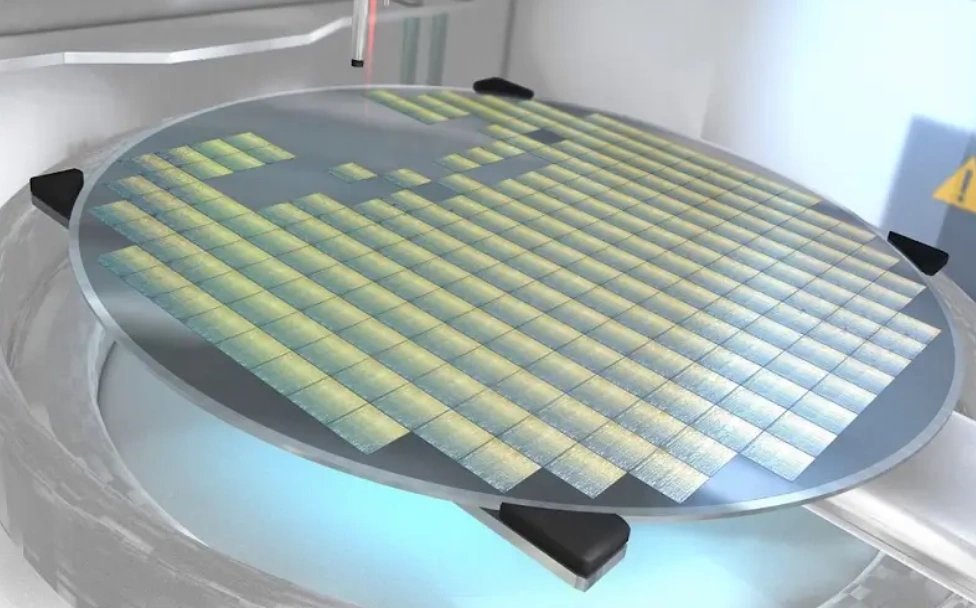
Wafer dicing
Hot Pressing: This technique combines uniaxial pressure and heat. It forms strong and dense ceramic components.
Isostatic Pressing: For this method, the primary strategy is the application of equal pressure from all sides.
What Tolerances Can Ceramic CNC Machining Achieve?
While specialized ceramic CNC machining can attain higher specifications, the regular achievable tolerances for the material are between ±0.001″ and ±0.0005″ (±0.025mm and ±0.013mm). The exact tolerances depend on thermal stability, machining state, part complexity, and ceramic grade.
Factors Affecting Machining Accuracy
Here are the main factors affecting the dimensional accuracy of ceramic machined parts;
- Porosity
- Grain size
- Microstructure
- Thermal effects
- Vibration control
- Ceramic tooling quality
- Machine quality/rigidity
Important Considerations for High-Quality CNC-Machined Ceramic Parts
The factors that determine the quality of ceramic CNC machining include the cutting parameters, quality of fixturing, and ceramic tooling technology. An expert combination of the best of these factors results in minimal vibration and, overall, top-level ceramic parts.
Part Requirements
Geometric dimensions and tolerances are critical to consider for different types of ceramics. Since these materials cannot plastically deform, designing for perpendicularity and flatness is necessary.
Perpendicularity should range from 0.01 to 0.05 mm, while flatness is recommended at 0.005 to 0.02 mm. It is also important to adhere to the best practices for the following;
- Wall thickness
- Corner design
- Feature size
- Hole/slot/thread limits
- Machining adjustments
Tool Selection
With some ceramics as hard as HV 2500, tool selection is of utmost importance in the processing of ceramic materials. For precise, quality machining, PCD (Polycrystalline Diamond), CBN, and diamond tools are used.
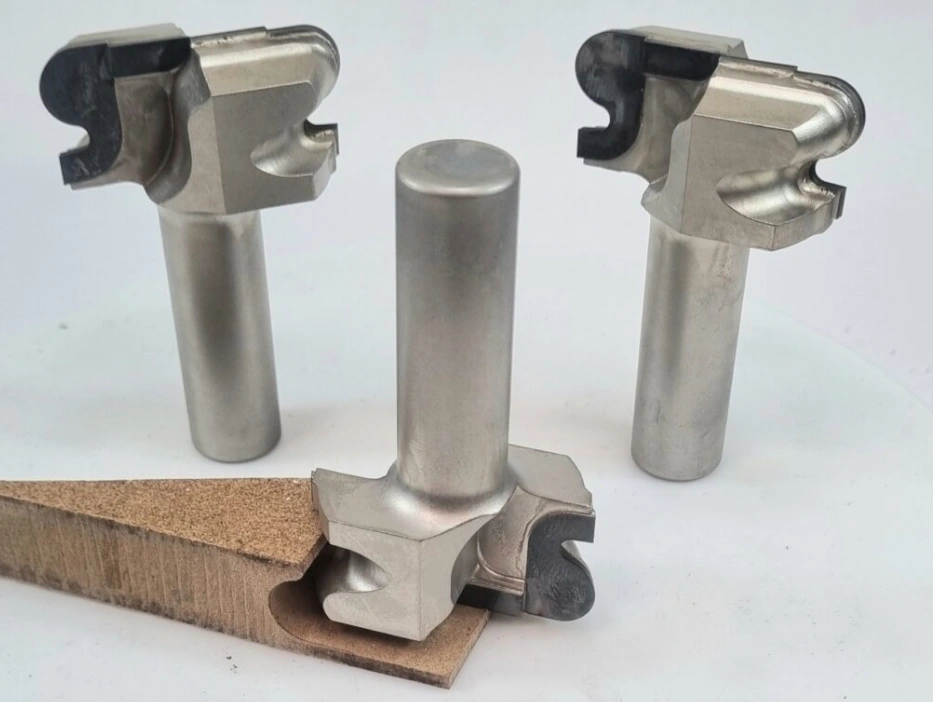
PCD CNC cutting tools
PCD tools are ideal for high-volume machining, diamond tools for zirconia ceramic and alumina ceramic machining, and CBN for higher temperatures.
Cutting Parameters
Considering the fracture-proneness of ceramics, light cutting is recommended. The ideal cutting parameters are in the following ranges.
|
Cutting parameter |
Range |
|
Cutting speed |
300–800 m/min |
|
Depth of cut |
0.05–0.3 mm |
|
Feed rate |
0.01–0.05 mm/tooth |
|
Positioning accuracy |
±2–3 μm |
|
Spindle speed for high precision |
12,000–24,000 rpm |
Fixturing and Vibration Control
Ceramic machining can be significantly affected by vibrations because of the material’s extreme hardness and brittleness. The fixturing technique must be very effective, so no stress concentrations are formed.
Some related strategies are;
- Using soft pads
- Avoiding cantilever features
- Using vacuum fixtures
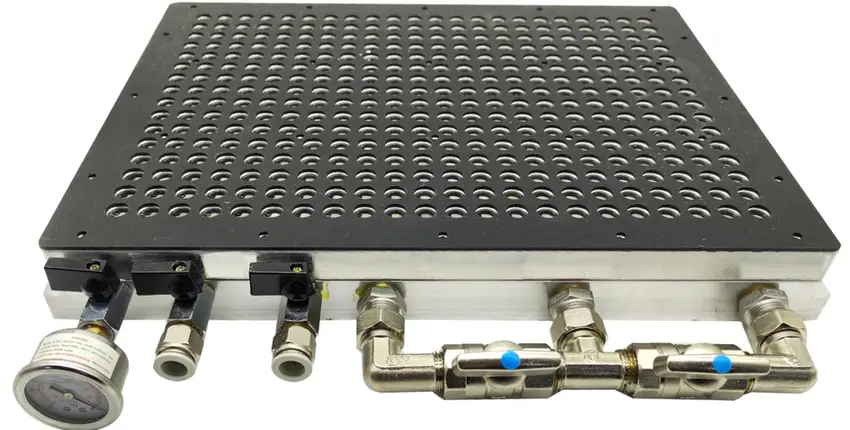
Vacuum fixture
Advantages and Limitations of Ceramic CNC Machining
Processing of ceramic materials presents the following advantages and limitations.
Advantages
- Chemical stability
- Extreme hardness
- Unmatched temperature resistance
Limitations
- Longer cycle times
- High tooling cost
Try Prolean Now!
Applications of Ceramic CNC-Machined Parts
CNC-machined ceramic parts are relevant in major sectors, including aerospace, defense, medical, electronics & semiconductors, automotive, and industrial components.
Aerospace and Defense
Ceramic CNC-machined parts are useful in the tough conditions of the aerospace and defense industries. They can withstand temperatures of over 2,000 °C, are corrosion-resistant and lightweight, and are strong. Their structural and thermal applications include combustion chambers, turbines, and nozzles.
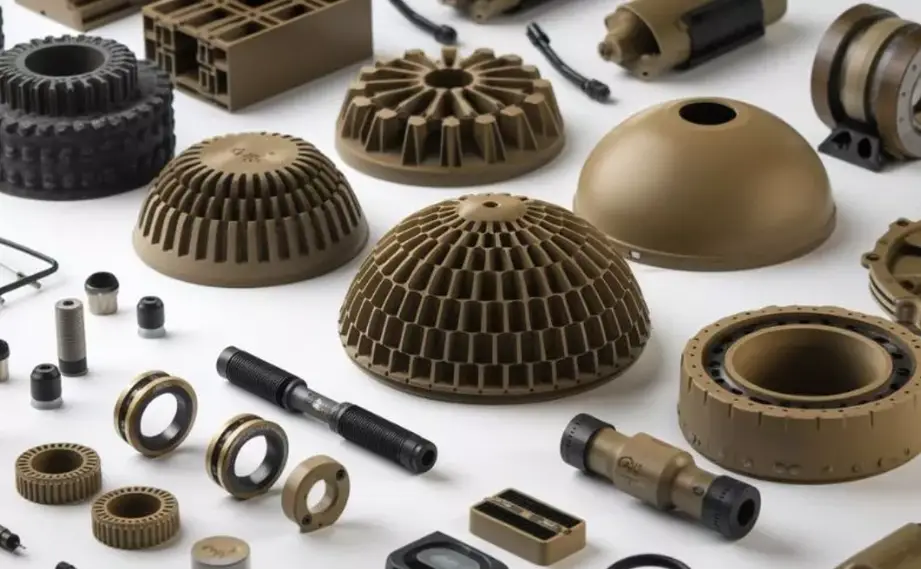
Aerospace and defense ceramic parts
Medical and Dental
The medical and dental fields highly rely on CNC-machined ceramic parts. The parts are inert, strong, customizable, and resistant to chemicals and wear.
The main application areas include;
- Root implants
- Hip replacements
- Braces
- Joints
- Tools
Electronics
Electronic manufacturers require materials with corrosion resistance, thermal stability, and electrical insulation. With ceramic materials, they produce critical components such as resistors, thermistors, capacitors, semiconductors, and sensors.
Automotive
Automotive engineers widely use ceramic components to enhance performance, safety, and efficiency. Some of the most notable applications of ceramic machining in the automotive industry are;
- Pump bearings
- Motor bearings
- Clutches
- Electric vehicle heating systems
- Brake pads
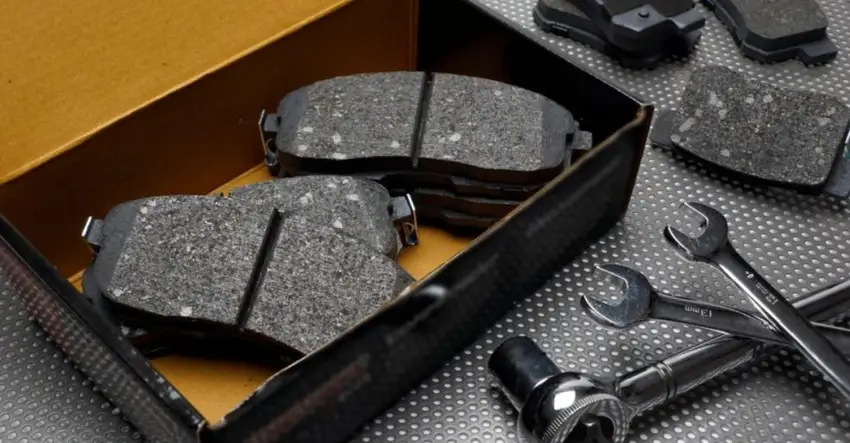
Ceramic brake pads
Industrial Components
Still, for their thermal stability, hardness, chemical resistance, and wear resistance, ceramic materials are common in industrial applications. They make high-performance washers, bearings, tubes, valves, and seals, among many other components.
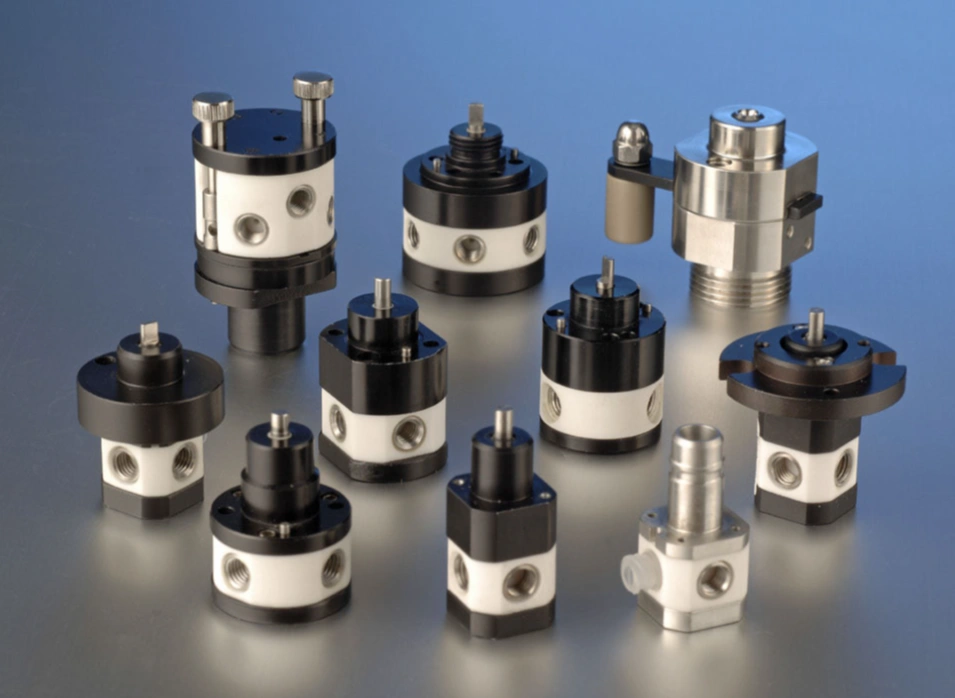
Ceramic valve parts
In Conclusion
Ceramic materials play a significant role in modern CNC-machined parts. Hardness, inertness, low electrical conductivity, and corrosion resistance are some reasons many industries use these parts. The minor drawbacks of the processing of ceramic materials, such as chip formation and catastrophic fracturing, need not deter users. The advantages can outweigh these issues.
If you are searching for advanced CNC machining capabilities for zirconia ceramic, silicon carbide ceramic, cordierite ceramic, and other machinable types of ceramics, contact ProleanTech for precision CNC machining today.
0 Comments