
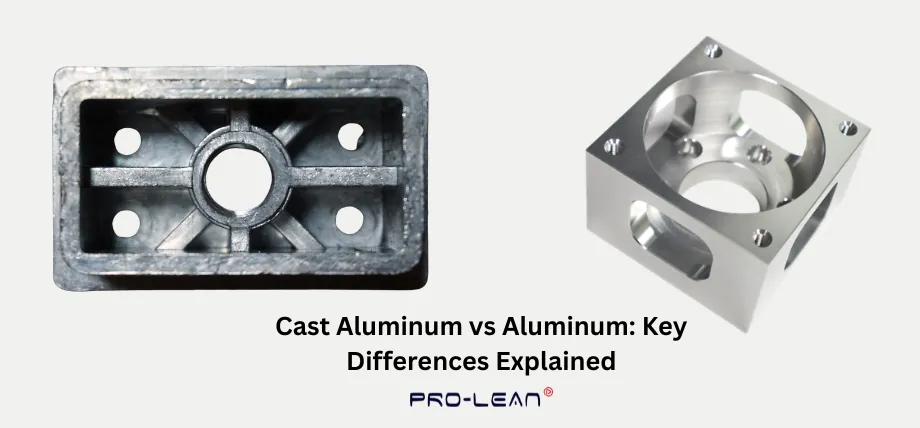
Cast versus machined aluminum
Aluminum alloys are divided into two groups, known as cast aluminum and wrought aluminum. The main difference between cast aluminum vs aluminum is in how the metal is shaped. Cast aluminum follows a process of melting aluminum and pouring it into molds to reach a desired shape.
Wrought iron is shaped using mechanical processes such as rolling, forging, or extrusion. This eliminates the need to melt metal into molds. This results in higher strengths and better mechanical properties.
What Is Cast Aluminum?
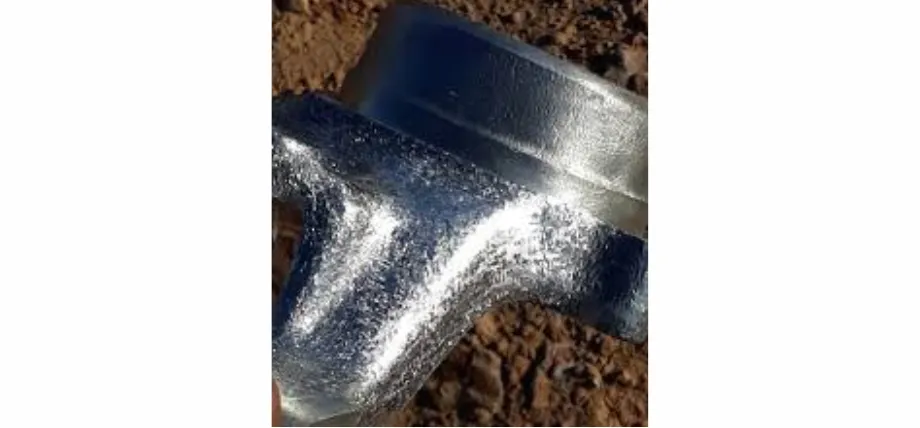
Cast aluminum surface detail
What is cast aluminum? Cast aluminum has aluminum as the primary metal, while other metals can be added. They can be divided into heat-treatable and non-heat-treatable alloys. This typically has a low tensile strength but produces cost-effective products.
Cast aluminum refers to alloys that are melted and poured straight into molds to reach a desired shape. This method is called casting and allows complex shapes to be produced. It is popular due to its low melting point and good surface finish.
Cast vs forged vs billet aluminum is a commonly asked question. Cast aluminum provides maximum strength and durability, while billet is forged from a solid aluminum block using CNC machining, providing extreme precision. Forged is made by pressing aluminum at high pressure for fatigue resistance.
What Is Regular (Wrought) Aluminum?
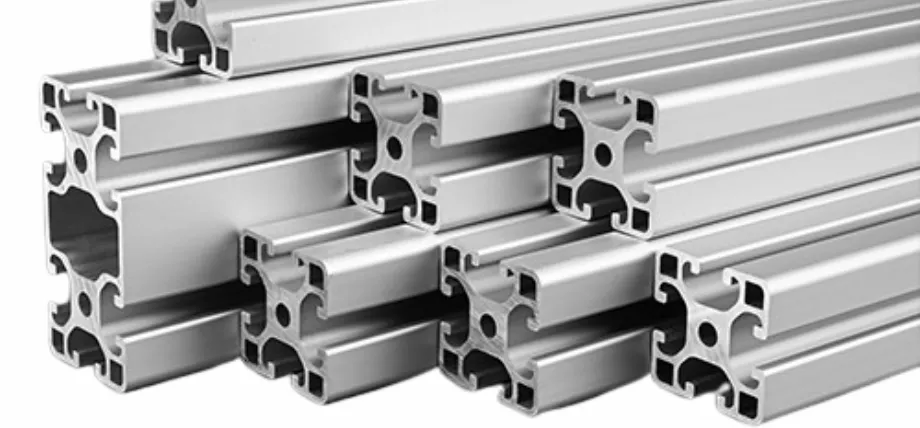
Extruded aluminum profiles
Wrought iron is also known as regular iron. It is mechanically shaped into products without being poured. Processes such as rolling, forging, or extrusion are used. These processes provide precise control over shape and thickness, producing strong and ductile products. They also have aluminum as the primary metal. They are both heat-treatable and non-heat-treatable.
Cast Aluminum vs. Aluminum: Key Differences
The main difference between cast aluminum vs aluminum lies in their manufacturing process. Cast aluminum is produced by pouring melted aluminum into molds to reach the desired shapes, while regular aluminum uses mechanical processes. Cast aluminum is produced at a lower cost, often with lower strength. Due to the mechanical processes used in wrought aluminum, the product produced is more uniform with greater strength.
Manufacturing Process and Casting Methods
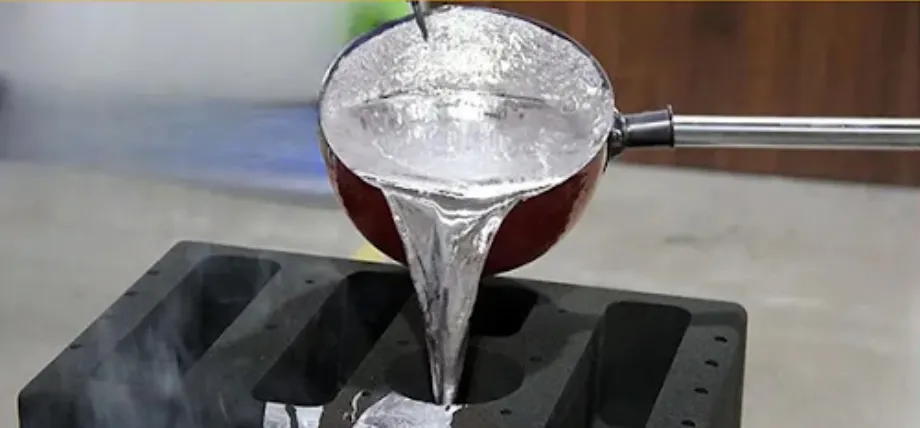
Molten metal casting process
The process of producing cast aluminum requires the melting of aluminum to a liquid state. A mold is then prepared in the required shape using sand or metal. The melted liquid is then poured into the mold. The metal cools and solidifies in the mold. The solidified metal is then removed and may be cut to the required size. The common methods of casting for cast aluminum include sand casting, die casting, investment casting, and permanent mold casting.
Wrought iron is given its final shape through mechanical processes and not molding. This requires the initial casting process, which is further processed through rolling, extrusion, or forging. Rolling is done to produce sheets or rods, while forging is done to produce high-strength materials that can support heavy loads.
Strength and Mechanical Properties
The tensile strength of the wrought aluminum is higher than that of the cast aluminum because it uses mechanical processes to give it shape. They enhance the grain structure and provide a homogenous product. This increases the tensile strength and the ductility, which helps it to withstand repeated loading without breaking. Although the cast aluminum provides easy processing for complex shapes, it still causes shrinkage defects that reduce the overall tensile strength
Weight, Hollow Structures, and Complex Shapes
Cast aluminum is suited for complex and hollow components because it can flow into complex shapes when melted. This makes it possible to create complex and complicated shapes that are normally expensive due to the mechanical processes involved.
Wrought aluminum is a process that uses mechanical processes that are suited for sheets, rods, and other light structural components. The complexity of the shape is normally less complex compared to cast aluminum. Regular aluminum has higher strength without compromising performance and is suited for aircraft and construction frames.
Corrosion Resistance and Surface Finishing
One of the advantages of using cast aluminum is that it forms a natural oxide layer on the surface, which protects it from rusting and corrosion. However, the surface finish of cast aluminum is rougher, which may lead to some flaws on the surface if not handled carefully. Cast aluminum is painted or powder-coated to improve its appearance and durability.
Just like cast aluminum, wrought aluminum forms a natural oxide layer on the surface, which provides better corrosion resistance compared to cast aluminum. It has a smooth surface finish that makes it easy to apply different finishing processes such as anodizing, polishing, brushing, painting, and coating. They provide improved corrosion resistance and appearance. They are widely used in manufacturing car parts and ornaments.
Melting Point and Alloy Composition
Both are essentially aluminum alloys, and the types and amounts of the alloying elements differ to achieve the best mechanical strength. Cast aluminum alloys contain high amounts of silicon along with copper or magnesium. Silicon lowers the melting point. Cast typically melts at a temperature of 540°C to 660°C.
Since the wrought aluminum is meant for mechanical processing, it usually has lower amounts of silicon, along with controlled amounts of magnesium, copper, or zinc. They improve strength and corrosion resistance. Their melting range is usually closer to pure aluminum (around 660°C).
Try Prolean Now!
Cast Iron vs Cast Aluminum
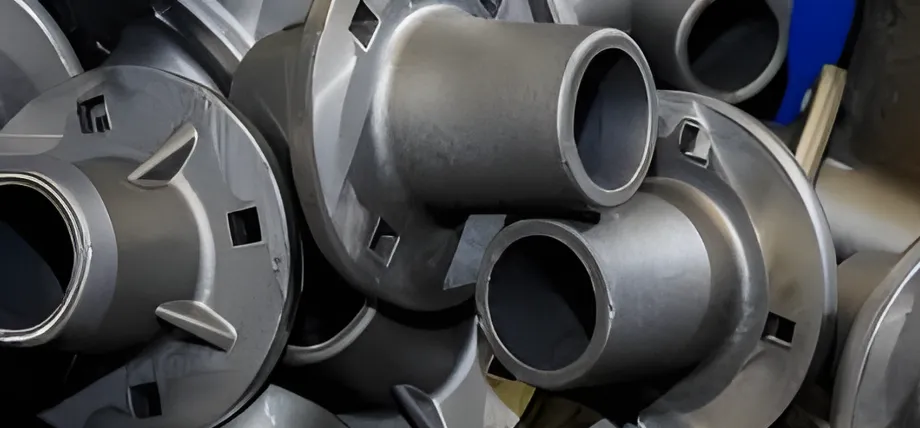
Industrial cast iron fittings
Cast Iron vs cast aluminum are both melted and poured into molds to reach the desired shapes. They differ in weight, corrosion resistance, and applications. Cast aluminum is very lightweight and generally has good strength. It is naturally resistant due to its oxide layer, but it heats up quickly and cools down fast. It is mainly used in engine parts, cookware, and patio furniture.
Cast Iron is much heavier and denser. It is very strong in compression but can crack under pressure. It is prone to rust and might require coatings and painting. It takes time to heat up, but retains it for much longer. It is mainly used in cookware, engine blocks, and pipes.
Common Applications of Cast Aluminum
Cast aluminum is used in different industries because of its corrosion-resistant properties, cost-effectiveness, and ability to be molded into complex shapes. Some of the uses of cast aluminum include:
Cast Aluminum Outdoor Furniture
Cast aluminum outdoor furniture is very popular. Cast aluminum can be used for outdoor patio furniture, such as chairs or tables. Cast aluminum corrodes slowly compared to other materials that can easily rust and deteriorate when exposed to outdoor elements. It is naturally corrosion-resistant, making cast aluminum popular for outdoor furniture. The material is also lightweight and strong. It is low-maintenance and can handle high temperatures.
Aluminum Cookware and Hand-Held Products
It is widely used in cookware and hand-held products such as frying pans and kettles. Cookware was the first product to be mass-produced using this technology. It is the best material to use because of its ability to distribute heat evenly for cooking food.
Automotive and Industrial Aluminum Parts
In the aerospace sector, the material has to be able to handle extreme pressure. Aluminum is capable of this because it provides lightweight and strong materials. Aluminum casting is an important part of the production of light automotive parts such as engine blocks, transmission cases, and alloy wheels.
Aluminum Casting vs. CNC Machining
Customers like aluminium because of its appearance. Most aluminiums are resistant to corrosion and do not require surface treatment. CNC machining services are popular in cast aluminum. Aluminum is easier to CNC machine and shape, and this reduces cycle times. It does not take much time to cut and work on it because it is not as hard as other metals. It is not as hard as other metals; therefore, it is difficult to weld and maintain tight tolerances.
Try Prolean Now!
Surface Finish Options for Cast Aluminum Components
The choice of aluminum finishes for your cast components is more than just an aesthetic consideration. Powder coating is a technique whereby a powder is electrostatically sprayed and then cured with heat. The result is a stunning finish that is chipping- and fading-resistant.
Anodizing is a technique whereby the natural oxide layer is built up. Liquid painting is the most common and cost-effective technique for creating a decorative finish. It is less prone to chipping and fading. Electroplating is a technique whereby a thin layer of another metal is deposited on top of the aluminum. It enhances corrosion resistance and strength.
Ensuring Dimensional Accuracy and Quality Control
The producers make sure that there is quality control throughout the production process to ensure that all the parts are perfect.
The Role of Heat Treatment
Heat treatment is the process of changing the physical properties and sometimes the chemical properties of a material to improve its capabilities. Heat treatment is significant in cast aluminum materials to improve strength and corrosion resistance.
Cost-Effectiveness in High-Volume Casting Projects
Selecting the most suitable mold will go a long way in optimizing metal flow. They are quite costly, but they are helpful in maintaining low costs in the long run. Recycling scrap metal is helpful in maintaining low raw material costs.
Types of Aluminum Alloys
Different types of aluminum alloys are also added to improve strength, corrosion resistance, and heat resistance. The alloy to be added depends on the intended use. Silicone is the most widely used material because it improves fluidity, reduces shrinkage, and improves wear resistance. Copper has high strength and good heat resistance. Magnesium has good corrosion resistance and good mechanical strength. Zinc has high strength and hardness.
Choosing the Right Material: Cast vs. Wrought Aluminum
The appropriate material is completely dependent on the intended use. Cast is the best material for decorative parts because of its lightness and economy. Though they are on the less string side and brittle. The mechanical processes enhance the internal properties of wrought aluminum, which makes it stronger and more fatigue-resistant. It is suitable for aerospace and other load-bearing sectors.
CNC Machining Services
Proleantech provides CNC machining services for cast aluminum, cast iron, castable copper, zinc, and other alloys. Our machining precision achieves sub-micron tolerances and superior surface finishes using state-of-the-art multi-axis CNC systems.
Reach out to our Proleantech staff for:
- Design for manufacturability support
- Find specific project alloys, custom alloy sourcing, and support for diverse materials
- Minimize your project costs with optimized tooling and programming for CNC
- Consistent quality and ISO certified quality checks
Get a free quote today!
Conclusion
The basic difference between wrought aluminum and cast aluminum is the method of production. Cast aluminum is melted and poured into molds to create complex shapes. Cast aluminum is a less expensive material for production. It is relatively weaker than wrought aluminum and slightly brittle. Wrought aluminum was produced by a mechanical manufacturing process. The processes offer improved strength and resistance to fatigue. The material is most suitable for load-bearing applications.
0 Comments