
TPU Injection Molding
Injection molding technology is not limited to conventional thermoplastics; it is also applicable to elastomers, as well as other materials. TPU is one of the high-performance elastomers used for the injection molding of diverse parts and products.
TPUs are flexible, fatigue-resistant, and durable, providing high tensile strength. If you are working with TPU materials for injection molding parts or considering which TPEs can be viable options, this article provides a detailed overview of the TPU injection molding process.
What is Thermoplastic Polyurethane (TPU) Material?
TPU Material
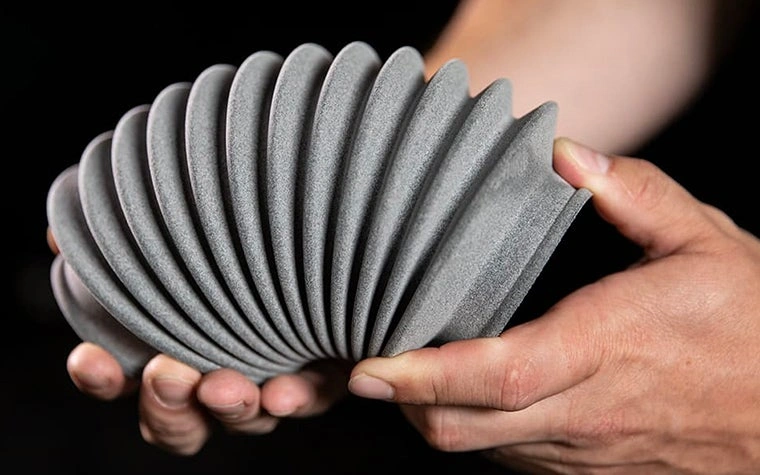
TPU is a thermoplastic elastomer that offers a combination of rubber and plastic characteristics, including a balance of flexibility and toughness, abrasion resistance, and good mechanical strength. It is compatible with standard thermoplastic molding systems and can be shaped into complex parts and products.
The molecular formation of TPU material involves a step-growth polymerization process. It means the TPU polymer is formed through a gradual chemical reaction of diisocyanates, polyols, and chain extenders, along with specific additives.
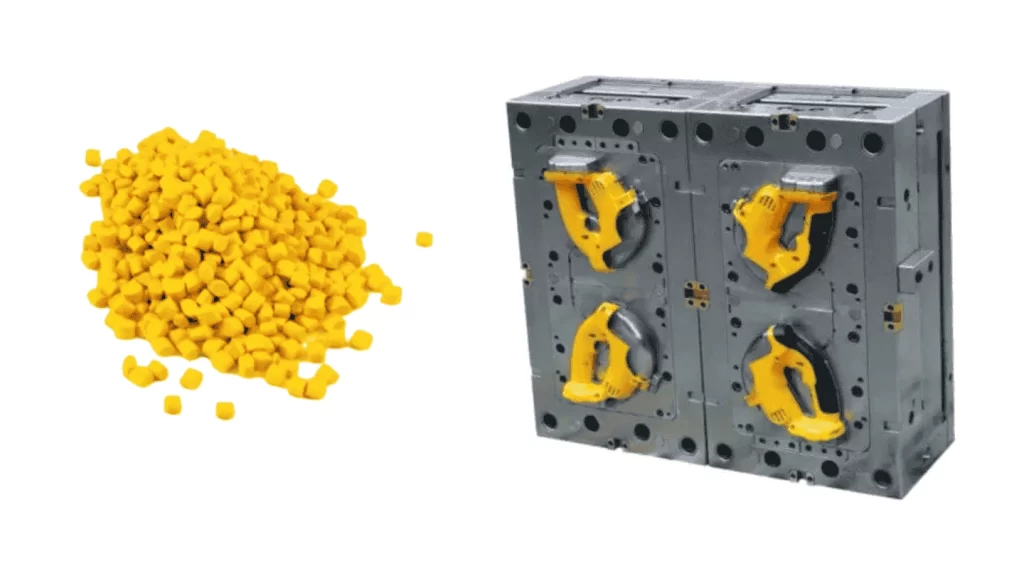
Furthermore, raw TPU pellets (with the desired color) are used for injection molding.
What are the Thermoplastic Polyurethane Material Properties?
The properties can vary as there is a range of soft to hard and rigid-hard TPU grades. However, it is considered a high-performance elastomer, exhibiting properties that are a combination of rubber and plastic.
General use grades of TPU provide high tensile strength & tear strength, excellent elongation at break, abrasion resistance, chemical resistance, and thermal stability up to 120 °C.
Next, the table below presents the properties of the thermoplastic polyurethane material.
|
TPU Property |
Typical Range |
|
Density (g/cm³) |
1.10 – 1.30 |
|
Melting Point (°C) |
120-220 |
|
Hardness (Shore A) |
60A – 95A |
|
Tensile Strength (MPa) |
20 – 50, or more |
|
Tear Strength (kN/m) |
30 – 150 |
|
Elongation at Break |
300 – 700% |
|
Low-Temperature Flexibility (°C) |
–50 to –20 |
|
Dielectric Breakdown (kV/mm) |
24-40 |
The Process of TPU Injection Molding
TPU molding
TPU injection molding is similar to standard thermoplastic injection molding, where pellets are fed into the hopper. The feeder barrel melts the pellets and transfers them to the nozzle. The molten TPU is then injected into a hardened steel or aluminum mold at high pressure.
The flowable feed captures the outlines of the cavity as it solidifies, revealing the desired shape on mold opening & ejection.
Let’s look at the list of steps involved in TPU parts molding.
- Select a suitable TPU material grade based on the desired hardness level.
- Set the injection molding machine parameters, such as pressure, shot size, and temperature control.
- Feed the TPU pellets for injection molding into the hopper
- With controlled barrel temperature, inject the molten TPU into the mold cavity.
- Allow the filled mold to cool for a predetermined time, ensuring the part solidifies uniformly.
- Eject the solidified TPU part from the mold and apply post-processing operations.
- Conduct necessary inspections and measurements to ensure quality control.
What Are the Major TPU Advantages?
As mentioned before, TPU is an elastic material with considerable toughness. Besides these, TPU material offers several other advantages in manufacturing, including chemical resistance, UV-resistance, good insulation, and versatile industrial uses.
Next, the list below briefs the major TPU advantages:
- Abrasion Resistance: Hard TPU material grades are highly resistant to abrasion.
- Elastic Nature: TPU is an elastic material with excellent elongation at break, up to 700%.
- Toughness & Durability: TPUs are tough and can last up to 10 years.
- Aesthetic Appeal: A variety of TPU color options are available, and parts retain their finish and aesthetic over a long time.
- UV-resistance: The original properties are not compromised when TPU injection molded parts are exposed to sunlight or harsh environments.
- Low-Temperature Compatibility: TPU parts can perform in conditions having negative temperatures, as low as –50 °C.
- Minimal Water Absorption: TPU is hydrophobic and has a water absorption ratio of ~ 0.2 %.
- Biocompatibility: TPUs, like Exin RxT80A and Quadrathane ALC, is biocompatible and safe for medical use.
- Chemical Resistance: TPUs are resistant to mild acids & alkalies, oils, greases, hydrocarbons, and a few alcohols.
TPU Vs Urethane Injection Molding
TPU Vs urethane injection molding
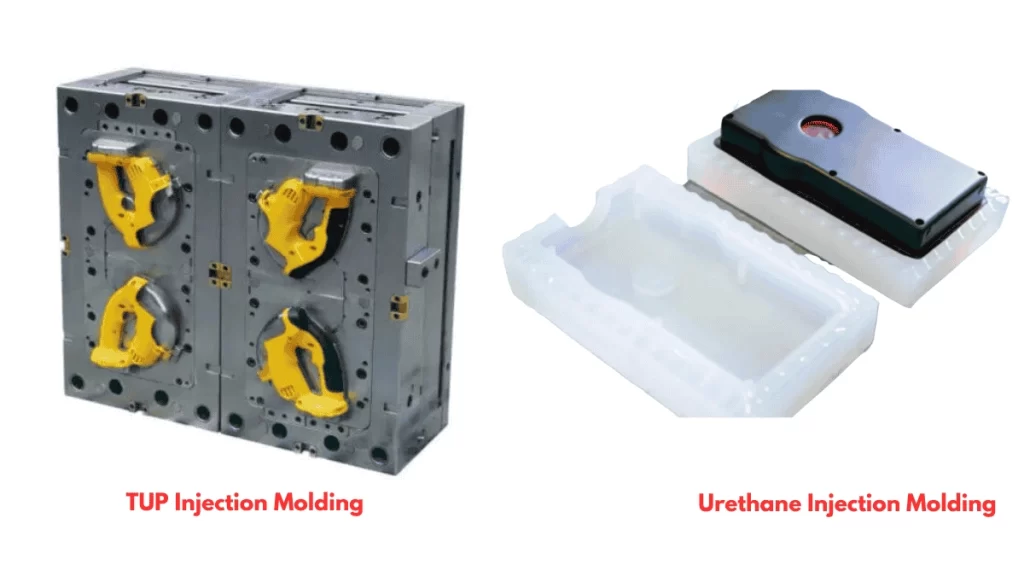
Urethane is a thermoset elastomer, whereas polyurethane is a thermoplastic elastomer. Due to this difference in material, both injection molding processes involve distinct mold tooling, injection pressure, and achievable precision.
Urethane injection molding is often referred to as the urethane casting or molding of thermoset polyurethanes. In urethane casting, typically, silicone molds are employed, whereas TPU molding involves metallic injection molds.
TPU injection molding is preferred for precision, dimensional stability, and long-term durability. On the other hand, urethane molding is well-suited for cost-effective prototyping and small batch production.
Try Prolean Now!
Applications of TPU Injection Molding Parts
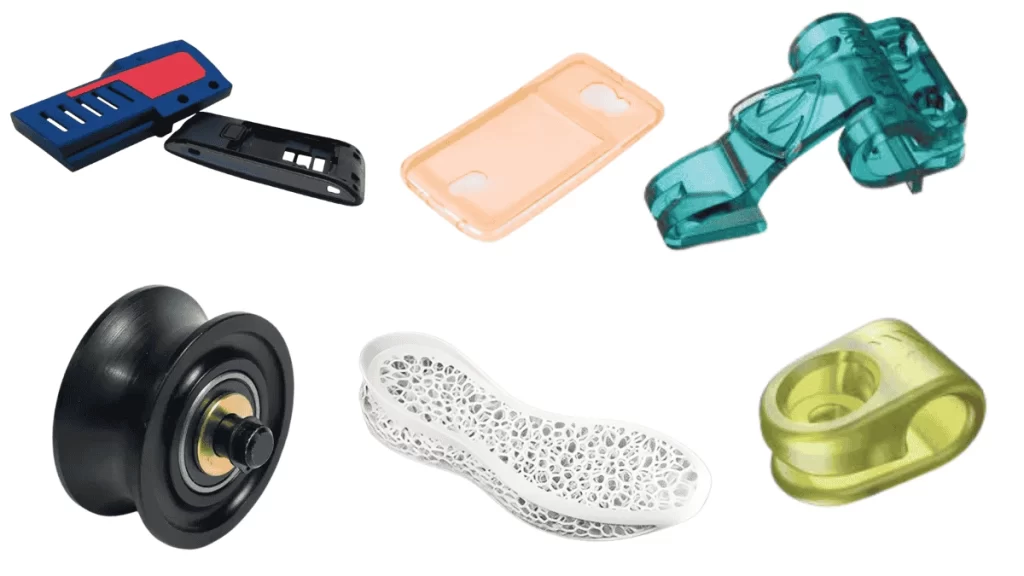
TPU injection molding products
Molded TPU parts and products are utilized across various sectors, particularly when flexibility and wear resistance are required. They are applicable in various industries, including automotive, consumer electronics, medical, industrial systems, and footwear.
TPU is also a suitable option for the overmolding process, which combines it with rigid plastics like ABS and Polycarbonate. Let’s look at the table below for application examples of injection-molded TPU parts across industries.
|
Industry |
Application Examples |
|
Automotive |
Cable jackets, air-intake hoses, fuel-system seals, vibration-dampers, and connector covers |
|
Footwear |
Shoe midsoles, outsoles, heel counters, shoe shanks, cushioning inserts |
|
Medical |
Catheters, syringe seals, breathing-mask parts, pump diaphragms, fluid-transfer fittings |
|
Electronics |
Smartwatch bands, headphone covers, protective housings, grip pads, smartphone cases |
|
Industrial Equipment |
Industrial hoses, sealing rings, drive-belt guides, wear pads, conveyor belts. |
|
Sports |
Sports-gear housings, protective pads, ski-boot parts, shock-absorbing inserts |
Design Guidelines for TPU Injection Molding
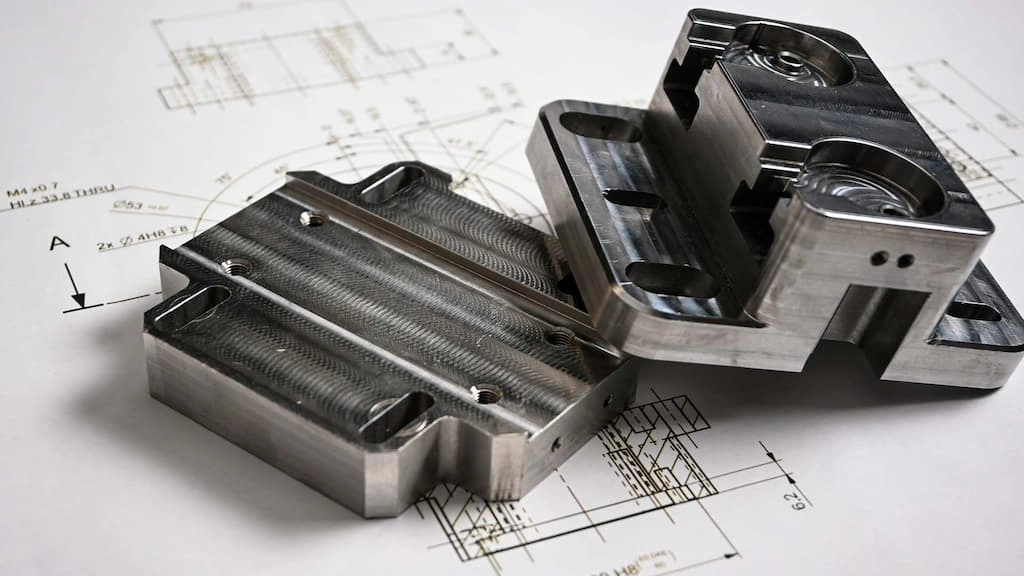
TPU injection mold design
The precision, manufacturability, per-part production cost, and overall quality of TPU injection molded parts/products are heavily influenced by the design. Therefore, when designing TPU parts and injection molds, you must consider several key factors.
Next, let’s discuss key design guidelines for TPU Injection parts and molds.
TPU Part Design Guidelines
- Shrinkage Allowance: Consider TPU material shrinkage (0.2-2%) that occurs after TPU solidifies in the mold.
- Thickness of Part’s Wall: Inconsistent thickness of molding parts can cause defects like sink marks. Therefore, maintain a uniform thickness( up to 3 mm).
- Rounded Corners: The radii (internal & external) must be ≥ 0.5 × wall thickness, and rounded corners must be used to prevent stress concentration.
- Rib Features: Add ribs to the surface of parts with a height < 3 x wall thickness (t) to add strength.
- Draft Angle: Consider draft angle for defect-free ejection of parts, typically 1 to 3 °.
Injection Mold Design Guidelines
- Vent Slots: Consider proper venting in the injection mold, with slots ranging from 0.02 to 0.05 mm in diameter. It is essential to prevent air entrapment.
- Location of Gate: Place the mold gate where the part has the largest thickness. It helps with packing and stress relaxation.
- Surface Texture of Mold: The Mold cavity’s wall defines the finish quality of the molded TPU part. However, avoid excessive polishing; otherwise, it will make part release difficult.
Try Prolean Now!
Tips for Successful TPU Injection Molding
Molding temperature control, use of tight injection pressure & speed, uniform cooling, and maintaining appropriate holding pressure are essential for successful TUP injection molding.
Some useful TUP injection molding tips are as follows.
- Precisely Control Process Temperature: Based on TPU grade, control melt temperature (~180–230 °C) and mold temperature (~30-60 °C)z
- Injection Pressure: Use a pressure range of 60 to 100 MPa at a moderate speed.
- Ensure Uniform Cooling: Choose a longer cooling time and a suitable system to achieve uniform cooling of the TPU molding.
- Holding Pressure: Maintain back pressure at about 50-80% of injection pressure.
Challenges and Solutions in TPU Injection Molding
Although TPU is easily moldable into desired shapes, there are a few challenges related to process execution, dimensional inaccuracies and finish, shrinkage, mold opening, and flash formation.
Let’s look at the table below, which outlines the TPU molding challenges, causes, and solutions.
|
Challenge |
Cause |
Solution |
|
Bubbles |
Vapourization of moisture present in Molten TPU |
Thoroughly dry TPU pellets before melting |
|
Short Shots |
High melt viscosity in thin or long sections. |
Increase melt temperature, injection pressure, and gate size. |
|
Demolding Difficulty |
Adhesion of Liquid TPU to mold walls. |
Add draft (1–3°), polish cavities, and optimize ejector pin layout |
|
Warpage |
Ununiform cooling of mold |
Design uniform cooling channels and extend the cooling time |
|
Flash Formation |
Excess injection pressure or low clamping force |
Use the right injection pressure and mold shut-off tolerances. |
|
Flow Lines |
Improper mold temperature and unstable flow |
Stabilize barrel zones and slightly raise mold temperature. |
|
Discoloration |
Overheating or long residence time |
Lower barrel temperatures and minimize cycle delays |
Summing Up
TPU materials can be injection molded into complex shapes, with the use of correct injection mold tooling and process variables. Different applications benefit from molding TPU, as it offers a combination of high elasticity, abrasion resistance, impact strength, and Durability.
For the early design phase to production and post-processing, you must consider several factors to achieve high-quality results.
Furthermore, you can partner with ProleanTech for TPU injection molded parts tailored to your specifications. Our injection molding services deliver high-quality plastic and elastomer parts at competitive pricing.
FAQs
What is the disadvantage of TPU?
The primary disadvantages of the TPU material include slower molding cycles, processing difficulties, and sensitivity to moisture.
Is TPU a plastic or a rubber?
TPU is an elastomer, a hybrid of plastic & rubber, which behaves like rubber and can be processed like thermoplastics.


0 Comments