
“Creating plastic prototypes requires careful attention due to the inherent challenges associated with their fabrication process. This studious approach ensures the production of fine quality parts essential for industrial use.”

In the modern world plastic fabrication industry, plastics are so widespread due to their exclusive benefits.
In the modern world plastic fabrication industry, plastics are so widespread due to their exclusive benefits within <a href=”/rapid-prototyping-development/”>rapid prototyping development</a>.
For instance, pricing, workability, strength, weight, and stress tolerance level. They are highly economical and cost-efficient when it comes to prototyping.
Moreover, plastics can be molded and remolded into various shapes without even deteriorating their actual chemistry. So, prototypes made of plastics represent instrumental tools for validating and testing the design functionalities before initializing a full-scale production. Furthermore, these prototypes enable design manufacturers to assess how well the prototypes perform in their intended use.
Would you like to learn about how these prototype products are formed? This article will guide you through key considerations of designing and also provide expert tips for creating professional prototypes. Keep reading;
The Development of Plastic Prototype Product
In prototype development, certain steps need to be considered. For example, designing, the type of material being machined, and prototyping techniques. Let’s discuss each step that comes the way in prototype development:
1. The Requirement
First, it’s imperative to analyze the need, objectives, and specifications of the prototype before going to its fabrication.
2. CAD Modeling of Prototype
Then comes the computerized prototype design. This step is central to prototype development. By integrating CAD software, product designers can create an accurate portrayal of the prototype. Computerized modeling of prototypes helps to achieve iterative refinement for optimal performance.
3. Material Selection
The appropriate material selection follows virtual configuration. Effective material selection for prototypes is essential to ensure performance and manufacturability. The appropriate materials must be used.Choose efficacious plastic material for example; product manufacturers can go for acrylic, PLA plastics, ABS, nylon, or polyurethane. These polymers are not only more cost-effective and biocompatible than prototypes, but they also have better structural strengths.
4. Prototyping Method
Although, it’s quite challenging to choose appropriate prototyping techniques for rapid prototyping. But, by considering design complexity, timescale, and budget product designers can opt for 3D printing,CNC machining prototyping, and injection molding due to their inconsistent reliability and depiction. These techniques are comparatively quick and aid in the creation of robust, high-performing prototypes. Working with experts, however, will assist you in selecting a precise and reliable prototyping technique that meets your needs.
5. Functional Testing and Iterative Refinement
To evaluate the functionalities, usability, and real performance of the prototype, functional assessments are carried out. Based on testing results, modifications, and optimizations can be made using this iterative process. Additionally, this helps producers make sure the prototype lives up to client expectations.
6. Documentation, Reporting, and Production Transition
It is essential to record all design iterations, testing outcomes, and technical specifications during the whole prototyping process. These thorough reports, assembly guidelines, and documentation have been developed for future use as a guide and to help with future production scaling improvements. Working with manufacturing staff, maintaining quality control, and ensuring a seamless transition from prototype to mass production are all necessary for the move to full-scale production.
Try Prolean Now!
What are the Best Techniques for Making Plastic Prototypes?
Creating prototypes requires specific techniques, expertise, and considerations. Here are some exclusive techniques commonly exploited for plastic prototype formation:
1. 3D Printing
For complex geometries, 3D printing, the advanced additive techniques, are widely adopted for rapid prototyping and iterations. There are numerous 3D printing plastics such as biocompatible resins, and polymers, and various engineered thermoplastics such as nylon, PMMA, Polyethylene, PLA and ABS are used for forming. These are widely used to create prototypes of medical, implants, surgical components, and anatomical models. The technique also helps designers to test and refine prototype designs in the early stages.
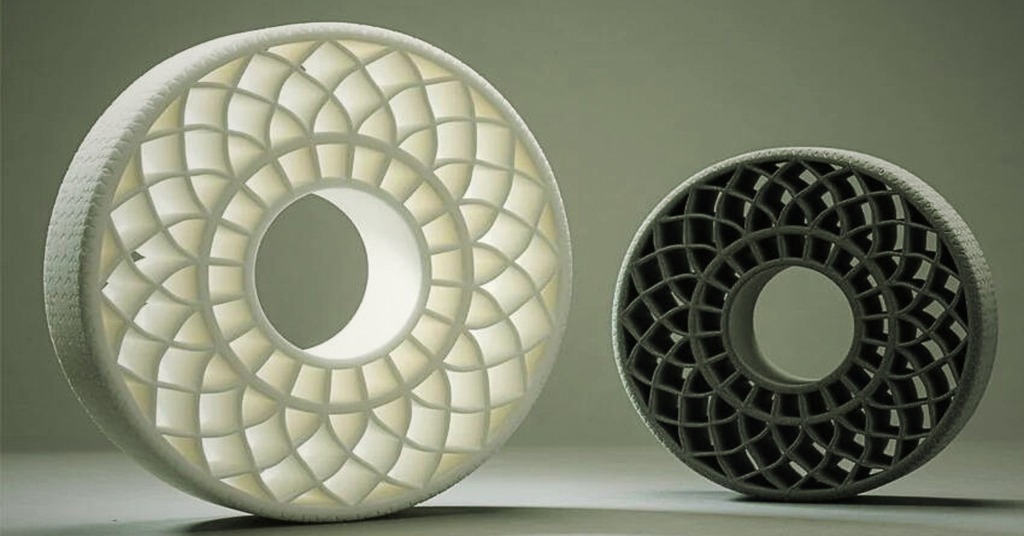
Nylon 3D Printing Prototype
How each 3D rapid prototyping method is used to make plastic prototypes:
- SLS (Selective Laser Sintering): It uses a high-powered laser to sinter plastics layer by layer. It helps to create functional plastic prototypes without support structures.
- SLA (Stereolithography): SLA employs liquid resin with a UV laser to produce high-resolution plastic prototypes. This process is beneficial for intricate details and smooth surface finishes.
- FDM (Fused Deposition Modeling): FDM involves using extrusion of thermoplastic filaments layer by layer to create resilient plastic prototypes. It’s suitable for functional testing and end-use parts.
2. CNC Plastic Machining
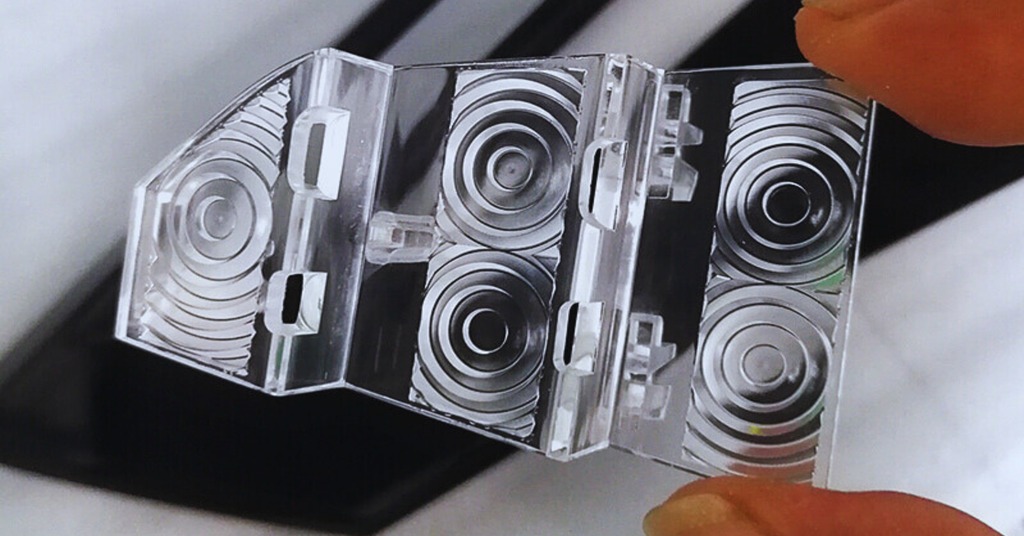
Plastic prototype part by CNC Machining
Plastic CNC Machining is an exclusive technique used to configure plastic prototypes. It accommodates various materials to work with, including metals, plastics, and composites.
The production cycle times in CNC machining prototyping are notably shorter. So, it is considerably a time-efficient manufacturing method than others. It’s especially for producing prototypes with precise dimensions and tight tolerances.
3. Plastic Injection Molding
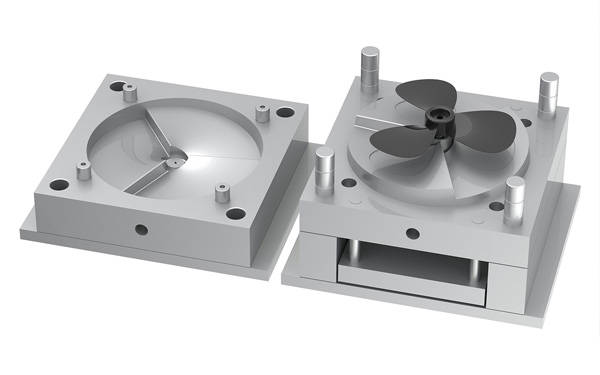
Electronic prototyping with rapid injection molding
Plastic Injection molding is commonly employed for manufacturing medical components in large volumes. It involves injecting molten material into a mold cavity to produce components with consistent quality and intricate features. It’s widely adopted to shape prototypes, for instance; housings, connectors, syringe components, and disposable products.
4. Other Techniques
Electron Beam Melting
EBM is an advanced additive manufacturing technique for bringing forth durable metal prototypes. This technique is useful for creating prototypes for orthopedic implants, dental prosthetics, and custom medical devices requiring metal components.
Silicone Molding and Casting
Silicone molding and casting are utilized for creating organ prototypes, soft tissue, and wearable medical products. Mostly, silicone materials have flexibility, biocompatibility, and realistic tissue-like properties. These preeminent features make them suitable for medical simulations and testing. Moreover, silicone molding enables the production of prototypes with textures, replicating human anatomy for training and surgical practices.
Types of Plastic Prototypes
There are various types of plastic prototypes. The project’s objectives, financial limits, schedule, and desired results all influence the appropriate selection. These are a few typical categories of plastic prototypes:
1. Conceptual Plastic Prototypes
These are early revisions of a product concept, depicted as prototypes. They are used to brainstorm the proposed product’s essential features, groupings, and operations. Prototyping concepts are typically created with low-fidelity materials like cardboard, foam, and simple two- and three-dimensional printed models. Before moving on to more prototyping, these prototypes help assess the design concepts.
2. Aesthetic Plastic Prototypes
These prototypes may be created using surface finishing techniques such as painting, and polishing. These prototypes focus on the visuals, and aesthetics of a product. Moreover, these are used to showcase the final product’s design elements such as colors, textures, and branding.
3. Functional Plastic Prototypes
Functional Plastic prototypes are mostly produced using CNC machining, or additive manufacturing. The choice to machine these prototypes is determined by the materials to be used and the intricacy of the design.
The main goal of creating these prototypes is to assess a product’s functionality and performance. These prototypes also aid in verifying design parameters and testing mechanical aspects. The size and shapes of these prototypes are very similar to those of the finished product.
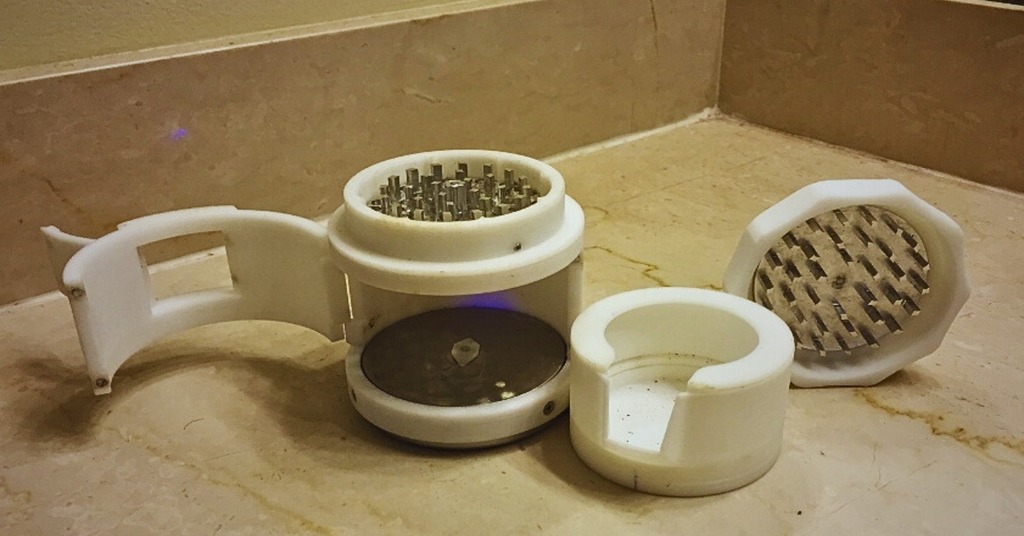
Functional Plastic Prototypes
4. Proof-of-Concept Prototypes
These are developed by using rapid prototyping techniques. 3D printing allows for speedy iteration and experimentation to shape these prototypes in a short turnaround. Consequently, Proof of concept prototypes are designed to demonstrate the feasibility and viability of an innovation, or an idea. Moreover, they are used to validate technical concepts such as test novel features and showcase unique capabilities.
5. Production-Intent Prototypes
Injection molding, CNC machining, or vacuum casting are beneficial techniques to shape production intent prototypes. These prototypes are used to validate the design for manufacturability (DFM) and assess the overall production costs. Also, identify and resolve manufacturing issues before bulk volume production.
6. Scaled Prototypes
Scaled prototypes are a copy or replica of the desired outcome. These are created at a reduced scale. They are used for design validation, testing, and visualization purposes. Scaled prototypes provide a cost-effective way to assess overall dimensions and spatial relationships. Furthermore, these prototypes are used in industries such as architecture, automotive, aerospace, and consumer products for design validation and presentation purposes.
Try Prolean Now!
Methods to Create Clear Optical Prototypes
The endeavor to craft these transparent prototypes rests on several methodologies, each boasting its unique characteristics and benefits. To glean a comprehensive understanding of these processes, let’s take a deep look at two important methods: CNC Machining and Injection Molding.
CNC Machining Method
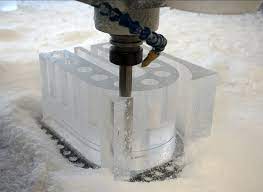
CNC Machining is a subtractive manufacturing process where material is removed from a solid block using a variety of cutting tools to create the desired part. This method has risen in popularity for crafting clear optical prototypes for several compelling reasons:
- Precision and Detailing
CNC Machining is renowned for its unmatched precision. This exactness is especially crucial when designing prototypes that necessitate intricate detailing, such as optical components for aerospace applications.
- Material Versatility
Clear materials such as Polycarbonate (PC) and Acrylic can be machined effortlessly, making CNC Machining a favored choice for producing clear optical prototypes.
- Surface Finish Options:
Depending on the required transparency level, CNC Machining offers a range of surface finishes. Post-machining, components can be polished to achieve a crystal-clear finish, enhancing their optical properties.
- Rapid Turnaround
Given the computer-controlled nature of this process, once the design is finalized and input into the machine, production can be swift. This efficiency translates to faster prototype turnarounds, which is invaluable in time-sensitive projects.
- Scalability Concerns:
While CNC Machining is ideal for low to medium-volume production, it might not be the most cost-effective choice for large-scale manufacturing, primarily due to the time taken for each piece and the wear and tear of cutting tools.
Injection Molding Method
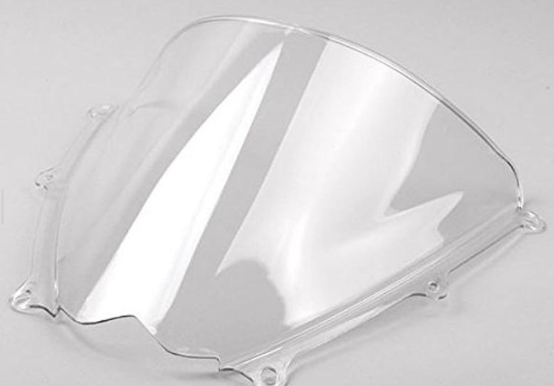
Injection molded transparent part
Injection Molding stands as another formidable technique for crafting clear optical prototypes. In this process, molten material is injected into a mold, which upon cooling, solidifies to form the desired part. Let’s explore the facets of this method:
- Suitability for Mass Production
Contrary to CNC Machining, Injection Molding excels when it comes to high-volume production. Once the initial mold is crafted, subsequent parts can be produced rapidly, making it economically viable for large batches.
- Material Flexibility
A plethora of thermoplastics, including clear ones like Polycarbonate and Acrylic, are amenable to injection molding. This flexibility allows designers to choose the ideal material based on the prototype’s intended application and durability requirements.
- Consistent Reproducibility
Injection Molding ensures a high degree of repeatability. Each molded part is virtually identical to the preceding one, ensuring consistency, a trait particularly vital when precision and uniformity are non-negotiable.
- Upfront Costs
While the per-piece cost in Injection Molding is low, especially in large quantities, there’s a significant initial investment. Crafting the mold, often done via CNC Machining, can be expensive. However, it’s a one-time cost, and over large batches, this cost is effectively amortized.
- Limitations in Design Changes
Once the mold is created, making alterations to the design can be challenging and costly. Therefore, it’s imperative to finalize the design before opting for Injection Molding, to avoid expensive reworks.
Table: Comparison between CNC Machining and Injection Molding
| Parameter | CNC Machining | Injection Molding |
|---|---|---|
| Primary Process | Subtractive | Formative |
| Scalability | Best for low to medium volumes | Ideal for high-volume production |
| Material Range | Wide, including metals and plastics | Primarily thermoplastics |
| Precision | High precision and intricate detailing | Consistent reproducibility |
| Initial Cost | Relatively low setup cost | High upfront cost (due to mold creation), but low per-piece cost |
| Design Flexibility | Easy to make changes between runs | Design changes post mold creation can be expensive and challenging |
Common Engineered Plastics For Making Prototype Products
For rapid prototyping companies, there are various rigid, flexible, and rubber-type material options to choose from. The most commonly employed plastics for rapid prototyping are;
1. Acrylonitrile Butadiene Styrene (ABS)
ABS is an engineered polymer. It is widely used in plastic prototyping due to its excellent machinability, affordability, impact resistance, and strength.
ABS is available in various textures and provides machining ease. These peculiar properties make it a popular choice among design engineers for rapid prototyping processes. It is commonly exploited for designing prototypes of casings, enclosures, and components requiring durability and dimensional scalability.
2. PLA Plastics
PLA is a pliable thermoplastic. It comes from renewable resources such as sugarcane or cornstarch. The most favorable technique to machine these plastics is 3D printing. It is preferred in plastic prototyping because of its biocompatibility, degradability, and ease of manufacturability. PLA is frequently used for prototyping consumer products, packaging, and medical appliances.
3. Acrylic (Polymethyl Methacrylate, PMMA)
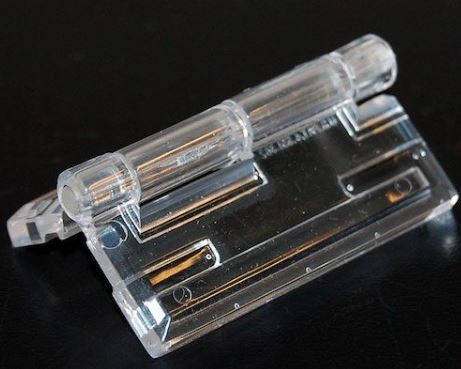
CNC-machined custom acrylic prototype
Acrylic, often referred to by brand names like Plexiglas or Perspex, is another transparent thermoplastic with attributes that make it a staple in clear optical prototyping:
- Brilliant Clarity: Acrylic boasts a transparency level that can even surpass that of glass. This luminescence makes it a preferred choice for display cases, signage, and even aquariums.
- Lightweight Nature: Despite its glass-like appearance, acrylic is significantly lighter, making it more manageable and reducing the overall weight of prototypes.
- Resistance to Weathering: Acrylic showcases commendable resistance to the elements. Its durability in outdoor scenarios, combined with its UV resistance, ensures longevity.
- Easily Machinable and Moldable: Acrylic’s receptive nature to machining processes like CNC and ease of molding adds to its appeal, granting designers the freedom to sculpt as per their imagination.
- Sensitivity to Chemicals: One of the considerations when working with Acrylic is its sensitivity to certain chemicals. Using incompatible solvents can lead to cracks or other damages.
Table: Comparative Analysis of Polycarbonate and Acrylic
| Attribute | Polycarbonate (PC) | Acrylic |
|---|---|---|
| Transparency | High, but slightly less than Acrylic | Exceptionally High |
| Impact Resistance | Very High | Moderate |
| Weight | Moderately Lightweight | Very Lightweight |
| Heat Resistance | High | Moderate |
| Machinability | Easily Machinable | Easily Machinable |
| UV Resistance | Available in UV-resistant variants | Naturally UV Resistant |
| Chemical Sensitivity | Resistant to many chemicals | Sensitive to specific chemicals |
4. Polycarbonate
Polycarbonate is an amorphous and translucent thermoplastic similar to acrylic. It possesses superior impact strength, heat resistance, and optical clarity. Polycarbonate is relatively tougher than other plastic polymers and can withstand repeated impacts. Moreover, they can be molded and thermoformed without staggering. In addition, polycarbonate is widely used in plastic prototyping such as eyeglasses, lighting fixtures, safety goggles, auto parts, and DVDs.
5. Nylon
Nylon offers distinct features such as mechanical strength, wear, and chemical resistance. Nylon usually comes in numerous grades, for instance, nylon 6, nylon 66, and nylon 12, each offering high mobility in prototyping applications. It is generally used for creating plastic prototypes for gears, bearings, and functional parts that require soundness and abrasion.
6. Polyethylene Terephthalate
Polyethylene terephthalate is a transparent thermoplastic renowned for its lightweight, and recyclability. It is generally considered a convenient option over other engineered thermoplastics grades because of its machining ease. PET is commonly apt for prototyping plastic containers, bottles, food packaging, beverage containers, and textile fibers.
7. Polyoxymethylene (POM or Acetal)
POM or acetal is a rigid stiff thermoplastic. It has low friction, good dimensional stability, and excellent chemical resistance. It’s used for making prototypes such as gears, bushings, fasteners, precision mechanical parts, and moving parts that require low friction and wear resistance. One of the key benefits of POM is that it comes in numeral grades, including copolymer and homopolymer for various industrial applications.
Industrial Applications of Plastic Prototypes
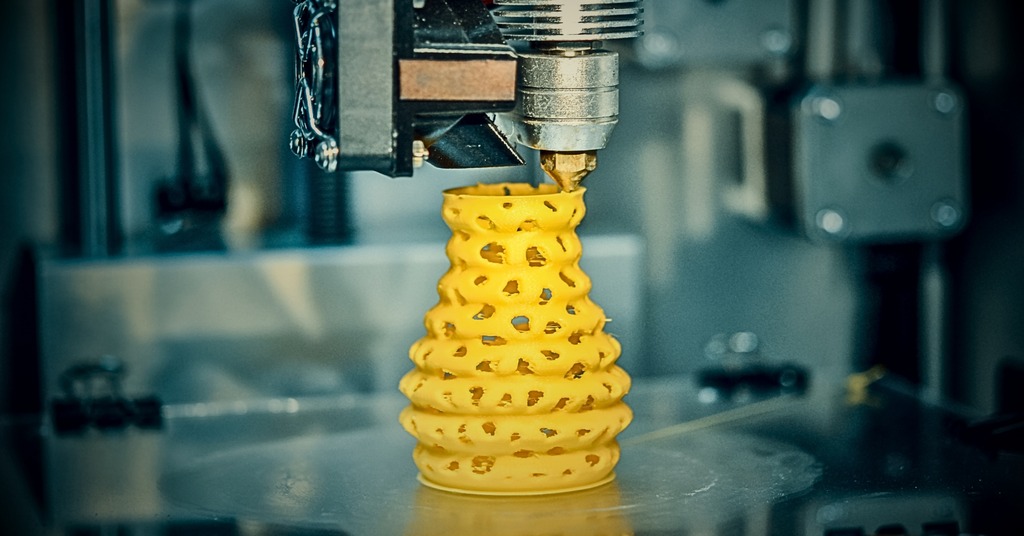
Plastic Prototyping
From Aerospace to consumer products, plastic prototypes are of significant importance in testing functionality and enhancing the aesthetic features of components. Let’s find out how these prototypes contribute to these sectors;
1. Automotive Industry
In automotive, these prototypes help to validate vehicle components and improve their overall efficiency. Consumers always look for innovative and safe solutions. And, these prototypes contribute to safety and entail advanced features in terms of flawless design configurations and dimensions.
2. Medical Industry
Plastic prototypes find their extensive use in health care sectors. These prototypes enable rapid design iterations and modifications. In the medical field, these are instrumental in the following purposes;
- To stimulate models for surgical instruments.
- To design medical models intended to fulfill patients’ needs.
- For packaging of medicines.
3. Aerospace and Defense Industry
Plastic prototypes are used for making aerospace interior components. For instance, interior fittings, cockpit panels, and structural elements. These prototypes are imperative for testing and optimizing the aeronautical design configurations, and improving fuel efficiency of aerospace components.
4. Consumer Electronics
Plastic prototypes facilitate design engineers to craft plastic models for electronic enclosures, casings, tablets, laptops, chargers, and housings for smartphones. These prototypes help to evaluate electromagnetic compatibility (EMC) testing and thermal performance of electronic goods.
Benefits of Plastic Prototypes
Here are some useful benefits of plastic prototype products;
- Plastic prototypes offer an economical alternative compared to other materials, reducing overall costs during the development phase of plastic products.
- These prototypes allow design engineers to test the fit, form, and function of the plastic parts for quick adjustments and improvements.
- These prototypes contribute to faster lead time to market with shorter cycles, allowing manufacturers to stay competitive and meet market demands promptly.
- Moreover, these prototypes enable customization and personalized solutions to manufacturers to meet specific projects or customer needs.
- They help mitigate manufacturing risks by identifying issues early and reducing costs before initializing mass production.
Plastic Prototyping Services at Prolean
At Prolean, we provide reliable plastic rapid prototyping services intended for your specific project requirements. Our state-of-the-art machinery and skilled engineers ensure superior quality while minimizing production time and costs. We offer a broad range of plastic materials to choose from, ensuring your needs are met within budget constraints.
Whether you need intricate components or large volumes of prototypes, we guarantee high-quality results and perfect outcomes.
Contact us today for an instant free quote!
Try Prolean Now!
Summing Up
Plastic prototyping offers users a plethora of options for choosing the right material based on their specific requirements and applications. From smaller startups to larger enterprises, the versatility and adaptability of plastic prototypes cover a wide range of industries and product development needs.
This flexibility allows businesses to innovate, iterate, and refine their designs efficiently. Moreover, this article contains the key aspects you can consider for your product prototypes. By adopting accurate material and machining methods you can precisely bring your concepts to practicality. Although selecting suitable techniques and materials can be challenging, consulting with experts can mitigate these potential challenges.
FAQs
Q1. Which method is most economical for large-volume production?
Generally, injection molding is considered the most economical method for large volume production of plastic parts. It offers dynamic benefits in terms of;
- High Production Efficiency
- Low material waste
- Cost-effective tooling
- Consistent quality
- Versatile material options
Q2. Which technique is most suitable for functional prototypes?
When it comes to creating functional prototypes, CNC machining is the most suitable method for functional prototypes due to its high precision, material versatility, ability to handle complex geometries, and production of parts with strength and durability, making it ideal for testing functional performance.
Q3. What are the challenges faced during prototype formation?
Challenges in plastic prototype formation include; material warping and shrinking, affecting dimensional accuracy. Achieving the desired surface finish and managing costs are critical considerations in the prototyping process.
Q4. What post-processing techniques are used to refine the aesthetics and functionality of plastic prototypes?
Post-processing techniques like surface finishing, painting, assembly, and functional testing refine the aesthetics and functionality of plastic prototypes, ensuring they are aligned with market demands.
I can also say that cost is the main thing in any plastic prototyping projects. try to optimize it.